Last updated November 21, 2026
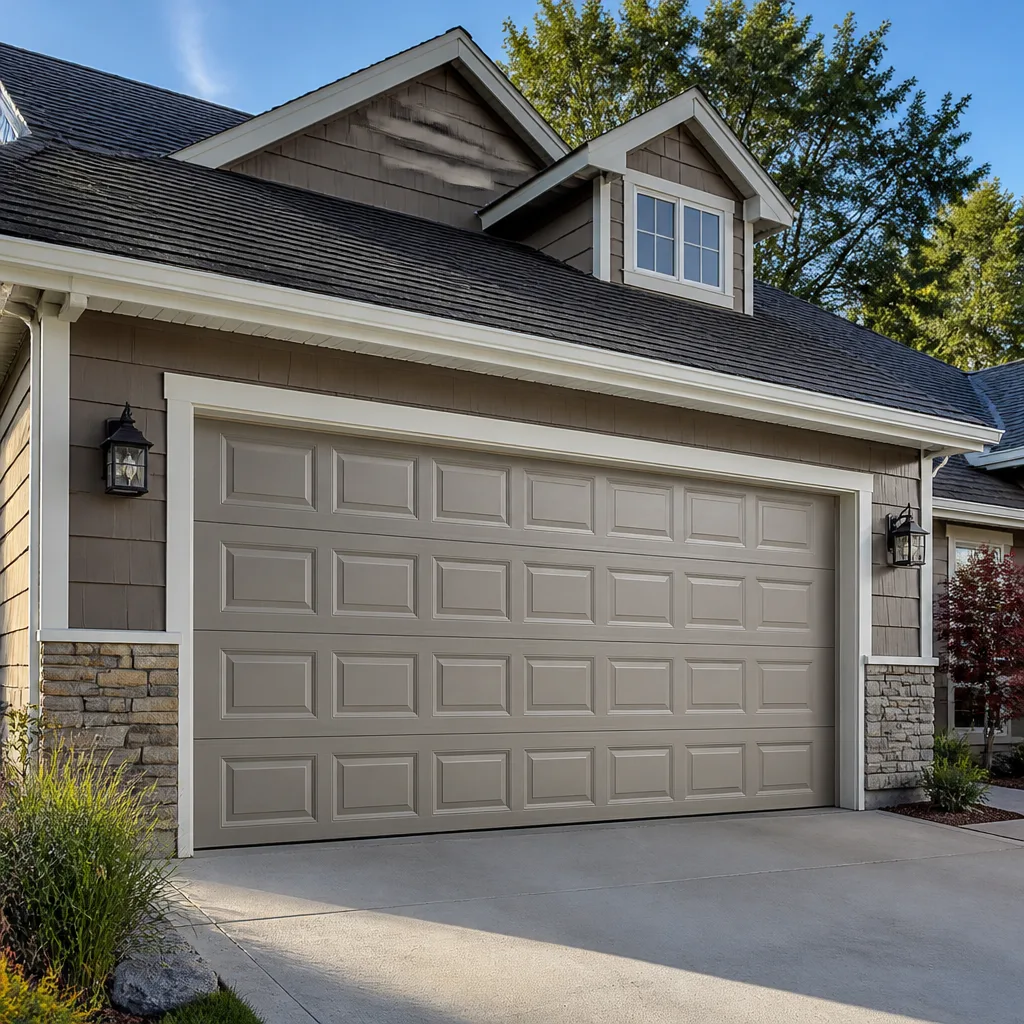 Raised-panel steel
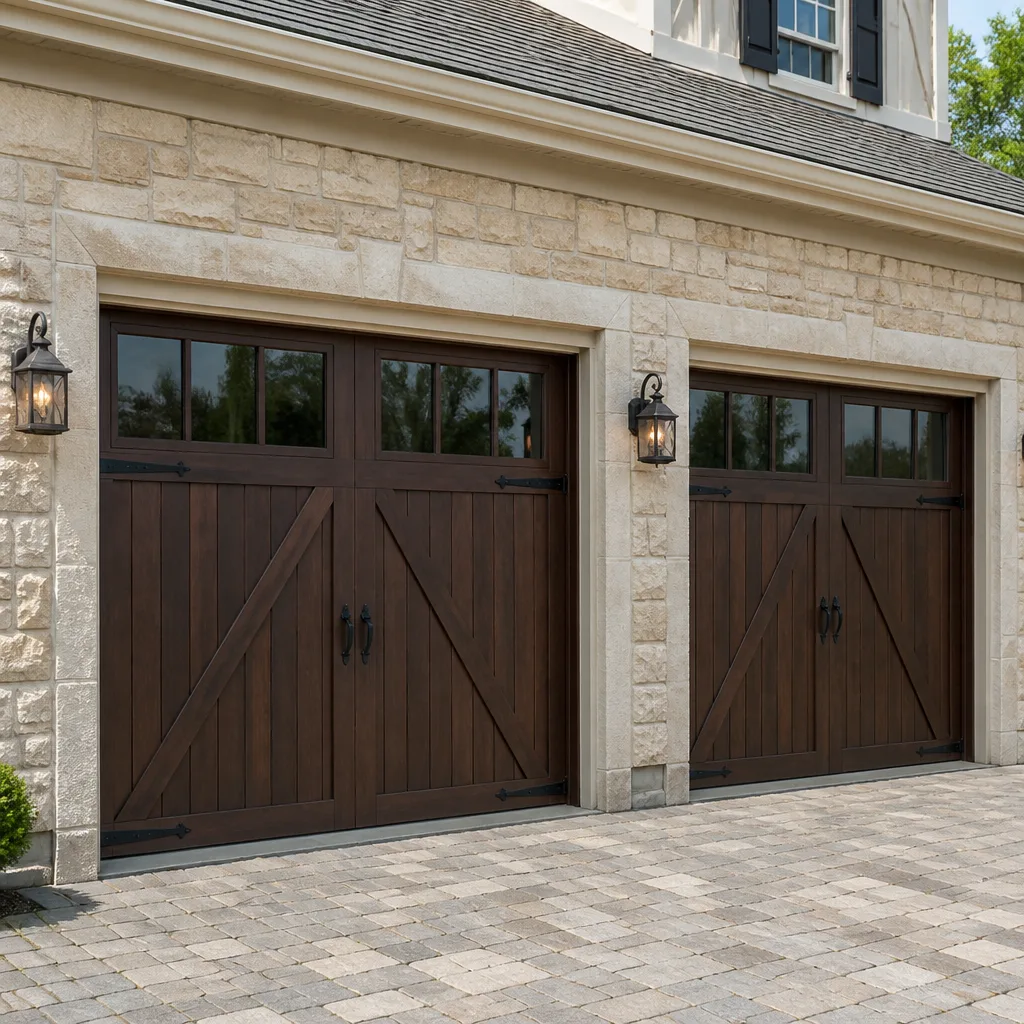 Carriage house
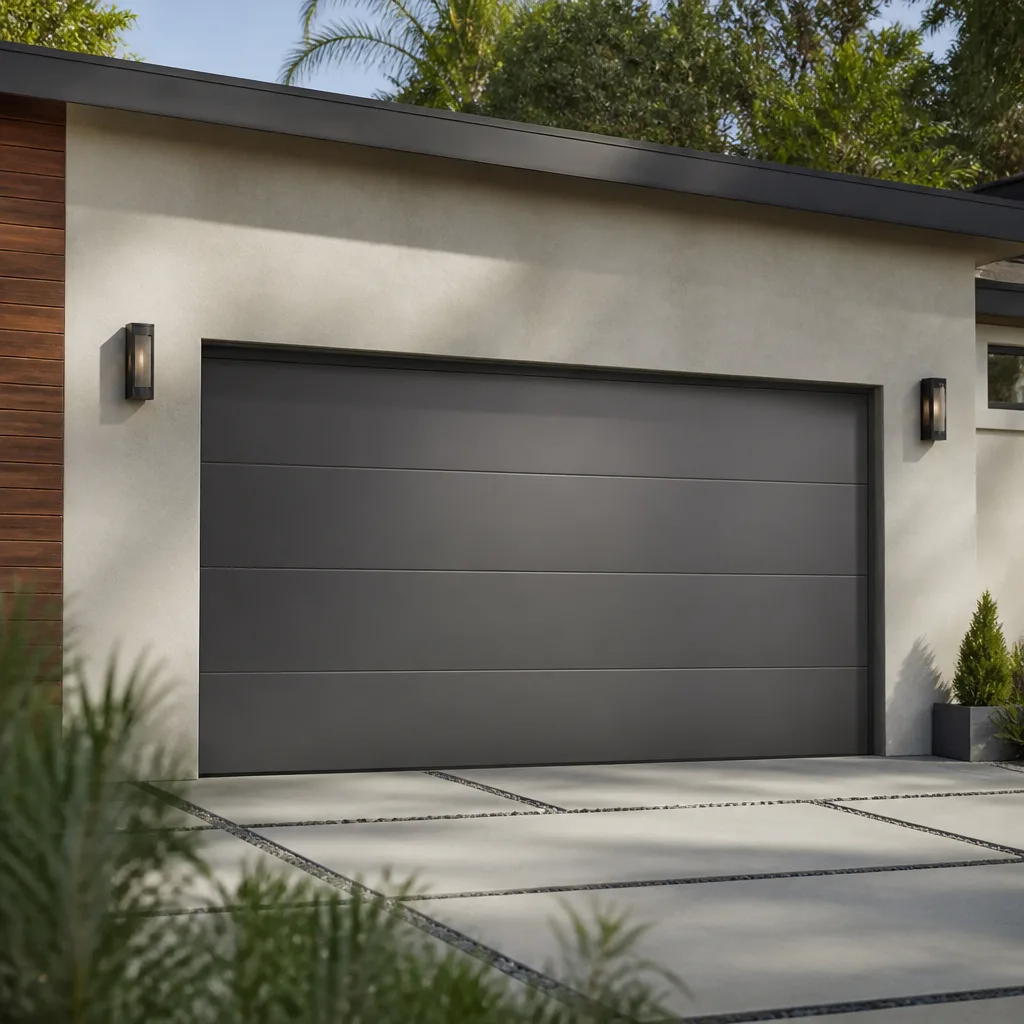 Modern flush
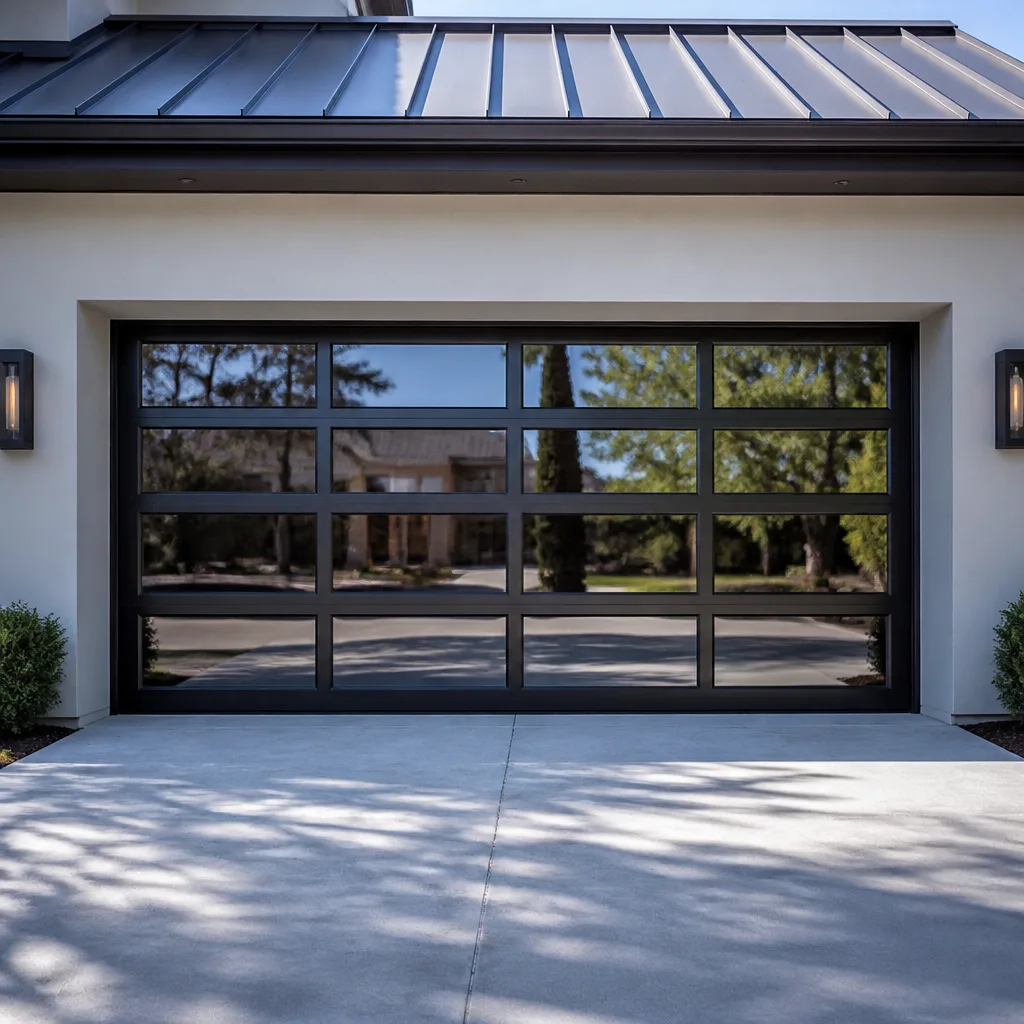 Full-view glass
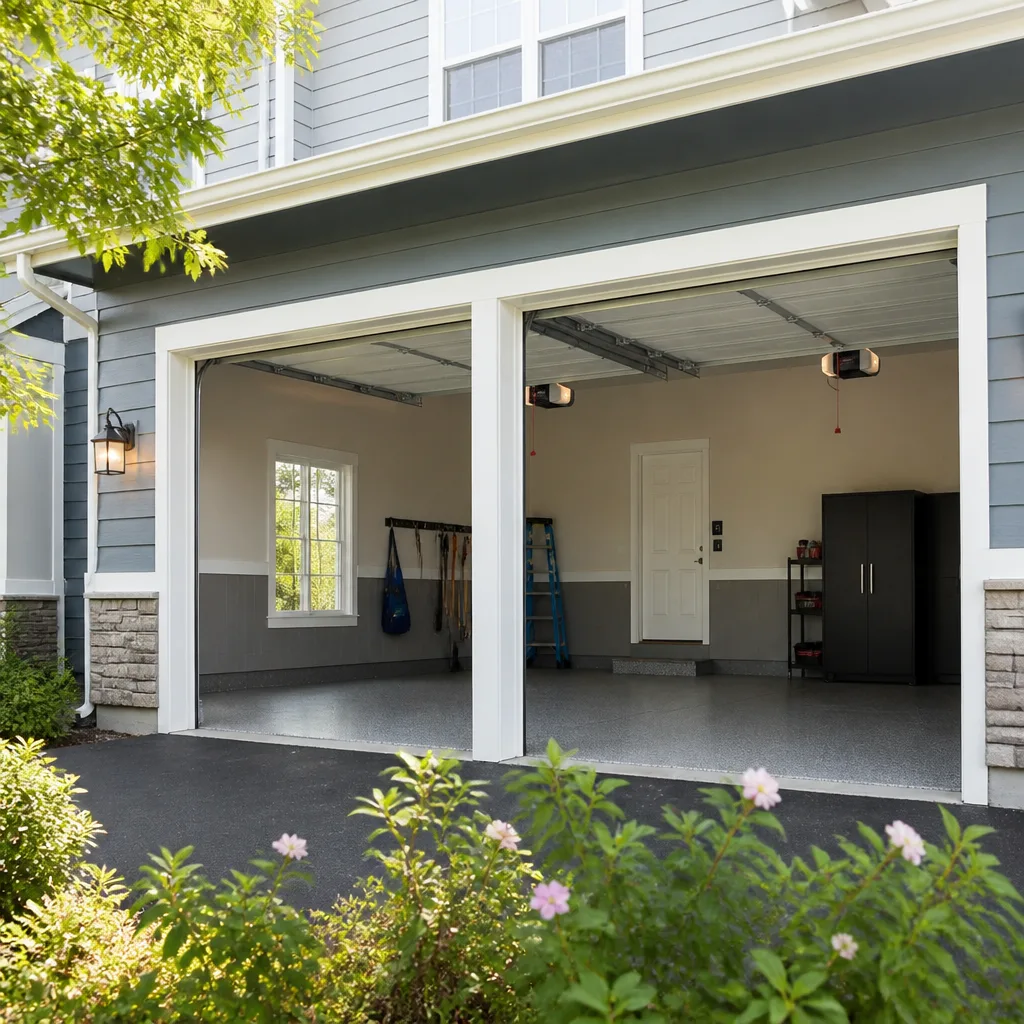 LiftMaster openers
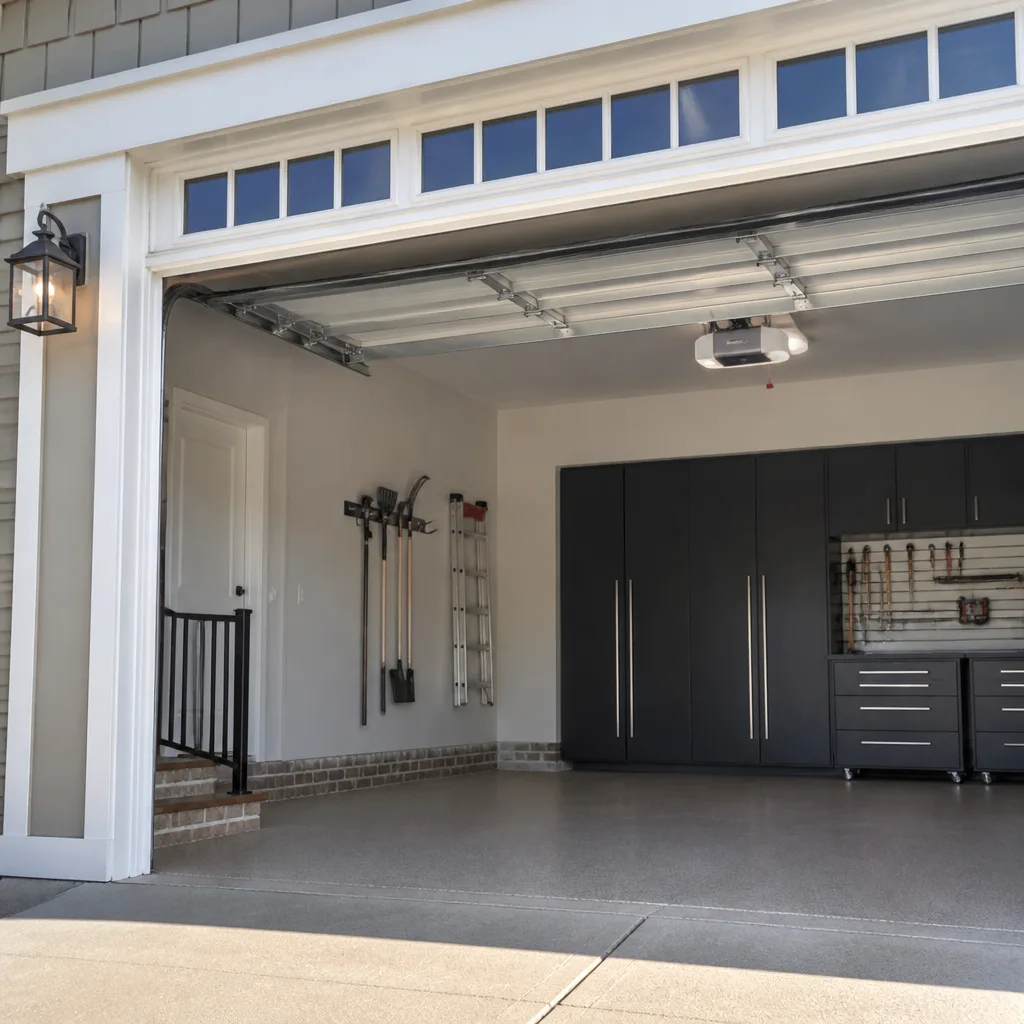 Chamberlain openers
Full 25-point door and opener safety check with every visit - springs, cables, rollers, tracks, and your LiftMaster or Chamberlain opener included
You get a price before we start. It does not change when the pro arrives.
Get your free estimateThe Complete Guide to Garage Doors in Ironbound
A seven-foot clearance that works in a suburban colonial often fails in a converted Ironbound garage. That surprises people. The two-story brick and frame buildings that line the tight streets here weren’t designed around standard residential door specs, and many were built before anyone owned a car. Headroom is short, openings are narrow, and the framing behind the trim rarely matches what modern door hardware expects. This guide is written from Ironbound, for the buildings in Ironbound. We’ll walk through how row-house construction shapes door choice, why Newark’s humidity affects hardware selection, when Newark permits apply, and how to pick springs and openers that actually fit the space you have.
Styles & brands we work with
- Raised-panel steel
- Carriage house
- Modern flush
- Full-view glass
- LiftMaster openers
- Chamberlain openers
Quick Answer
Garage doors in Ironbound have to fit dense urban construction: narrow openings, low headroom, and framing that predates modern standards. The right door and opener are chosen around those limits, not the other way around, and any change to the door system often triggers a Newark permit. Brand matters too, and we work on LiftMaster, Chamberlain, Genie, and Clopay systems because those are what most Ironbound homes already run.
Table of Contents
- How Ironbound’s Row-House Construction Shapes Every Door Decision
- Moisture, Not Salt, Is the Local Hardware Problem
- Torsion vs. Extension Springs by Ceiling Height
- Opener Compatibility in Pre-War Ironbound Homes
- Newark Permit Triggers: Replace, Repair, or Modify
- Repair or Replace? A Practical Decision Framework
- What Garage Door Work Typically Costs
- Common Mistakes to Avoid
- When to Call a Professional
- Frequently Asked Questions
- The Bottom Line
How Ironbound’s Row-House Construction Shapes Every Door Decision
Ironbound sits on a grid of lots that were laid out for walkable density, not for car storage. That layout shows up in every measurement a technician takes before a job. Standard garage doors assume a minimum of about 12 inches of headroom above the opening for a torsion shaft and springs. Plenty of Ironbound garages have half that. Standard doors also assume a jambside clearance of three to four inches for the track, and many row-house setups are tighter than that because the garage shares a wall with the house or the neighbor.
What this changes in practice:
- Door width. Nine-foot and eight-foot single doors are common, not the sixteen-foot double doors you’d see in the suburbs. A two-car Ironbound garage is often two singles side by side, which changes the spring size.
- Headroom. Low-clearance torsion and low-profile track become the norm, not the exception. A standard high-lift setup simply won’t fit.
- Ceiling obstruction. Plumbing, ductwork, and old joists intrude on much of the overhead space. The opener rail has to be planned around them.
- Attachment depth. Header framing on pre-1960 buildings is sometimes undersized by modern standards. Reinforcement is often part of the job.
- Alley-side approach. Many Ironbound garages open onto alleys, so driveways are short and sightlines matter for safety.
What matters isn’t the sticker on the door but whether the frame will hold it. A technician who measures first and specifies second is the difference between a door that runs for a decade and one that drags from day one. If your building has a conversion or a custom opening, get a proper measure before you order anything. That’s the first step toward a garage door installation that fits the space you actually have.
Moisture, Not Salt, Is the Local Hardware Problem
Ironbound sits close to Newark Bay, so seasonal humidity is real. Warm, wet summers push moisture into every unheated garage, and the hardware inside feels it. That doesn’t mean the air is salty. What it means is that bare steel hinges, rollers, and fasteners rust faster here than in inland towns, and untreated white steel panel sections at the bottom edge of a door will spot and pit within a couple of seasons.
Which materials hold up:
- Galvanized steel panels. The most common choice, and reliable when the cut edges and the bottom panel are coated.
- Insulated steel. The foam core inside an insulated door isn’t a moisture barrier by itself, but it cuts condensation on the interior face, which helps the hardware last.
- Aluminum. Rust-proof but prone to denting. Fine for low-traffic doors; less ideal on a main alley entrance.
- Composite and wood-look. Composite resists rot better than wood. Real wood warps and takes constant upkeep in this humidity.
- Stainless hinges, rollers, and fasteners. A small cost upgrade that pays back over years of use.
- Annual inspection of the bottom edge. The bottom section sees every splash, every leaf, and every bit of condensation. Check it.
Paints and coatings matter as much as the substrate. Factory-baked finishes outlast spray-applied paint on any steel door, and touching up scratches early prevents the rust from starting at all. If you’re replacing a door that has rusted along its bottom edge, that’s a materials mismatch as much as a wear problem.
Torsion vs. Extension Springs by Ceiling Height
Torsion springs mount above the door on a shaft and do the lifting. Extension springs stretch along the top of the horizontal track on each side. Which one fits a given Ironbound garage depends almost entirely on headroom and side clearance.
- Measure headroom. Twelve inches or more above the door height opens up a standard torsion setup. Six to ten inches pushes you toward low-clearance torsion or extension springs.
- Measure jambside clearance. Less than three inches on either side and standard torsion track won’t fit. Extension springs work in tighter side space but need room along the ceiling.
- Consider door weight. Heavy insulated doors need torsion springs almost every time, because extension springs wear faster under constant load.
- Consider usage. A door that opens four times a day has very different cycle life needs than one opened forty times, like a shared-access garage.
Two things to know about springs. First, they are the most dangerous part of the whole system. The torsion shaft stores enough energy when properly tensioned to break a wrist or worse, and the work should always be done by a trained technician with the correct winding bars and knowledge of the system. This isn’t a repair we’d ever suggest a homeowner attempt. Second, pricing is per spring. A matched pair is usually replaced together, so a pair costs about twice the single-spring figure you’ll see quoted. Anyone who quotes a pair price on the understanding that both are being replaced is quoting honestly. Anyone who quotes a single-spring price and puts in two has a problem with their math.
Spring work, and every other door repair in this neighborhood, is core to what garage door repair involves in Ironbound. If a spring snaps, the door stops opening (or slams down if it happens while open), and the problem never resolves itself.
Opener Compatibility in Pre-War Ironbound Homes
Every garage door opener we install draws on the electrical system of the house, and pre-war Ironbound homes come with pre-war electrical. That means two-wire branch circuits without a ground, panel boxes with only a handful of breakers, and if you’re lucky, a circuit that hasn’t been spliced a dozen times. A modern opener still needs a properly grounded outlet on a functioning circuit, and the opener’s own safety reversal system depends on that circuit holding steady. If a homeowner isn’t sure of the panel, a licensed electrician should look at it first. We’ll flag it; we won’t touch the panel itself.
Beyond the electrical, opener choice usually comes down to two families of system:
- Traditional belt and chain drive. LiftMaster and Chamberlain dominate here for good reason: quiet belt operation, reliable travel limits, and serviceability. Genie is also common in Ironbound because it fits tight installs and doesn’t need much headroom.
- Smart-home-compatible openers. Wi-Fi enabled openers that report status to a phone. Useful in Ironbound because garages open onto alleys, so remote status and remote close matter.
We work on LiftMaster, Chamberlain, Genie, Craftsman, and other major opener brands. When a homeowner reports “the remote doesn’t work,” the cause is often NOT the remote. It’s a failing logic board, a wall console that’s shorted, a photo-eye that got knocked out of alignment, or a limit switch that’s drifted. Diagnosing correctly the first time saves a service visit. If your opener is dead, the right starting point is garage door opener repair, not a new opener call by default.
Newark Permit Triggers: Replace, Repair, or Modify
Newark and Essex County treat structural changes to a door system differently from routine maintenance. The line isn’t always obvious, so the surest move is to call the city’s building department and describe exactly what you’re planning before work starts. Here’s how the categories usually split:
- Repair (usually no permit). Replacing a spring, a roller, a cable, a hinge, a bottom seal, or an opener on the existing door. Routine maintenance that restores function without changing the structure.
- Replacement (permit often required). Swapping a door for a door of the same size and type. Many jurisdictions count this as an alteration to the building envelope. Confirm with the city.
- Modification (permit usually required). Changing the size of the opening, reinforcing the header, adding a high-lift system, or converting a carriage opening into a modern garage door. Any of these changes the structural envelope or the framing.
- New opening (permit always). Cutting a new opening into a wall or converting a non-garage space into a garage.
The rule that keeps homeowners out of trouble: don’t guess. A five-minute call to the Newark building department settles it. And if the door is part of a multi-unit building, the property manager needs to be part of that call. Garage Door Repair Ironbound doesn’t handle permitting on your behalf, but we’ll tell you plainly when we think a permit is likely, so you’re asking the right question at the right time.
Repair or Replace? A Practical Decision Framework
A typical Ironbound door lives through many repair cycles before replacement makes sense. The decision isn’t a matter of age alone. It comes down to what’s failing and how often.
- If a single failure point stops the door. One spring, one opener, one cable. That’s a repair, not a replacement. Compare the repair cost to a full install before you decide.
- If the door is dented, rusted, or warped across multiple panels. Panel replacement can cost more than half a new door, and the rest of the panels are already tired. Replacement is usually the better deal.
- If the opener is over a decade old and failing repeatedly. Replacing the opener alone is worth it. Openers outlive doors even when the doors last a long time.
- If the tracks are bent or the frame has shifted. This is a structural problem, and repairing the door without fixing the track is a waste of money.
- If the door never fit the opening well. A door that has dragged, bound, or needed constant adjustment since the day it went in is a specification problem. Time to remeasure and replace.
- If children or heavy use are the priority. Modern doors with reversing safety and pinch-resistant panels are worth replacing an older door for, especially on a busy alley-side opening.
Replacing a door is never a same-day fix. It’s a measured job: we measure, order, then schedule. So don’t listen for a “we’ll be there in an hour” line when you’re shopping installation. Listen for a free measure and a written price.
What Garage Door Work Typically Costs
Prices vary by door size, opener brand, and the specific access conditions of the driveway or alley. The ranges below are typical estimates for the Ironbound area, not firm quotes. The written estimate you get after a measure is the price you pay, and it is agreed before any work starts.
- Spring replacement (one spring): $180 to $340 typical. A matched pair is usually replaced together, so double that figure for a pair.
- Opener replacement: $280 to $520, depending on brand and drive type. Belt drive runs higher than chain.
- Opener repair (board, gear, sensor, limit): $120 to $260.
- Cable and roller replacement: $140 to $320.
- Routine tune-up and lubrication: $90 to $160.
- Standard single-door installation: $850 to $1,900, depending on door material, insulation, and opener pairing.
- Custom or low-clearance installation: $1,400 to $3,200, reflecting the reinforcement and non-standard hardware a tight Ironbound garage needs.
The written quote is the price. That’s not a slogan here. It’s how we answer the second phone call in every job: if the price changes once a technician sees the door, that change happens before work starts and with the homeowner’s agreement. Same door, same day, when the repair is a repair.
Common Mistakes to Avoid
- Assuming a suburban quote applies. An installer who quotes from a catalog without a measure will hit Ironbound headroom limits on the install day and then charge to fix it. Require a measure first.
- Replacing one spring when the other is the same age. The remaining spring has usually lived the same life and often fails within a short time. Replace matched springs together.
- Choosing a door by color alone. In this humidity, a steel door without a properly coated bottom panel and stainless fasteners starts rusting in a season or two. Ask about the coating, not just the finish.
- Skipping the panel check when swapping an opener. A tired circuit in a pre-war house can’t run a modern opener steadily. Have the electrical checked if you’re unsure.
- Assuming no permit is needed for replacement. Many Ironbound replacements do require a Newark permit, and not pulling one can create a headache at sale. Confirm with the city before you order.
- Buying a smart opener that sits behind a dead remote. If the current remote didn’t work, the opener may not need replacing. Diagnose first.
- Ignoring a dragging door because it “still opens.” A door that drags puts stress on springs, cables, and the opener gear. Fix the alignment, not the symptom.
- Letting a neighbor’s handyman touch a spring. Springs are the most dangerous part of the system, and a make-it-fit fix usually becomes a redo plus a new cable and bracket.
When to Call a Professional
Call as soon as one of these comes up: a snapped spring that drops the door with a bang; a door that won’t close fully because something is blocking the photo-eye or the limit switch; a door stuck halfway up or down; a door that reverses as soon as it meets the floor; an opener that hums but won’t travel; or a manual lock that’s jammed. Any of those is a job for a trained technician, and the two most important moments are spring and cable failures. Both carry stored energy and both can hurt you. For emergency situations, we offer dedicated emergency service because a jammed or hanging door at an alley entrance is a security problem and a daily inconvenience. That’s the exact case a named emergency service is meant for, so call us first and get it sorted. Garage Door Repair Ironbound offers free estimates in Ironbound. Call (855) 337-1035.
Frequently Asked Questions
Snapped torsion or extension springs are the most common failure, especially in winter when cold shrinks the metal and speeds a spring past its cycle limit. Replacing one spring typically runs $180 to $340, and replacing a matched pair runs about twice that. Call (855) 337-1035 for an exact quote, and estimates are free.
Often, yes. Replacing a door changes the building envelope in most jurisdictions’ eyes, and Newark generally treats replacement differently from repair. Confirm with the Newark building department by describing exactly what you’re doing. A routine repair, like a spring or opener, usually doesn’t trigger a permit, but the city makes the call.
In most cases yes, provided the outlet is properly grounded and on a stable circuit. If the existing branch circuit isn’t up to that, a licensed electrician should look at it first. You’ll still be able to use a LiftMaster or Chamberlain smart opener once the circuit is sorted, and we work on Genie too.
Because so much of the neighborhood’s garage stock predates modern residential door standards. Headroom above a typical Ironbound door opening is often six to ten inches, well short of the twelve inches a standard torsion setup needs. Low-clearance torsion, low-profile track, or extension springs are the usual adaptations, and each changes the parts you’ll need.
Yes, but the door weight goes up, and that drives the spring sizing. Heavier insulated doors almost always need torsion springs and occasionally reinforcement of the header. A technician who measures before ordering can tell you whether the frame will take an insulated panel or whether a lighter door is the better fit.
We do offer dedicated emergency service for a stuck, hanging, or unsecured door, and fast dispatch supports it during our 7am to 7pm window. We can also schedule work on early mornings or Sundays if that’s what works. Call (855) 337-1035 and we’ll get the details, then confirm timing.
The Bottom Line
Ironbound’s garages were designed for a different era of driving, and the right door and opener follow from that reality. Measure headroom and jambside first. Torsion springs are the standard when there’s room; extension springs are the fit when there isn’t. Choose materials that survive a humid summer, and treat the bottom panel and stainless hardware as non-negotiable. Confirm Newark permit rules before a replacement. Then confirm the written price before any work starts. The single source for repair, springs, openers, and installs in Ironbound is one call, and the technicians here have up to 9 years of experience. If you’re ready to move, so are we. Read more on our Garage Door Repair Ironbound page or call (855) 337-1035 for a free estimate.
Written by the team at Garage Door Repair Ironbound.
See the difference
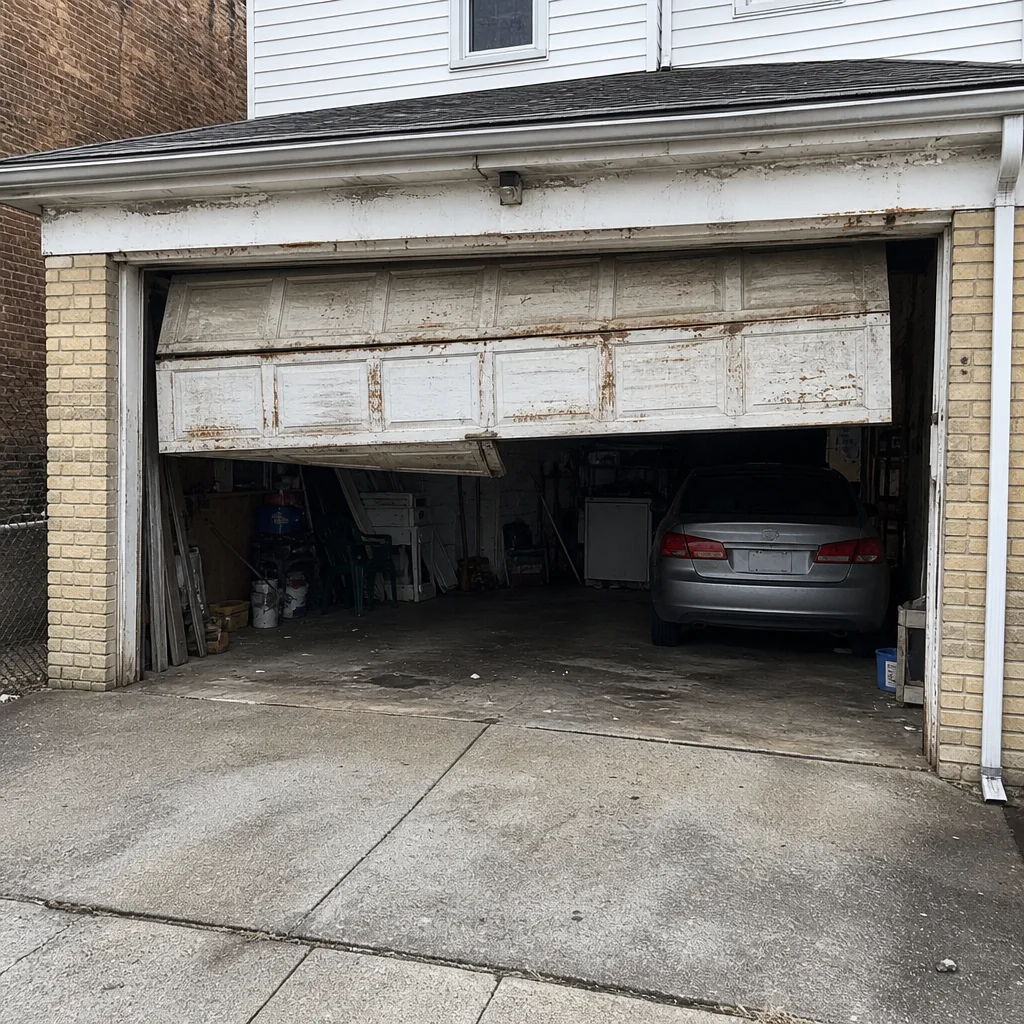 Before
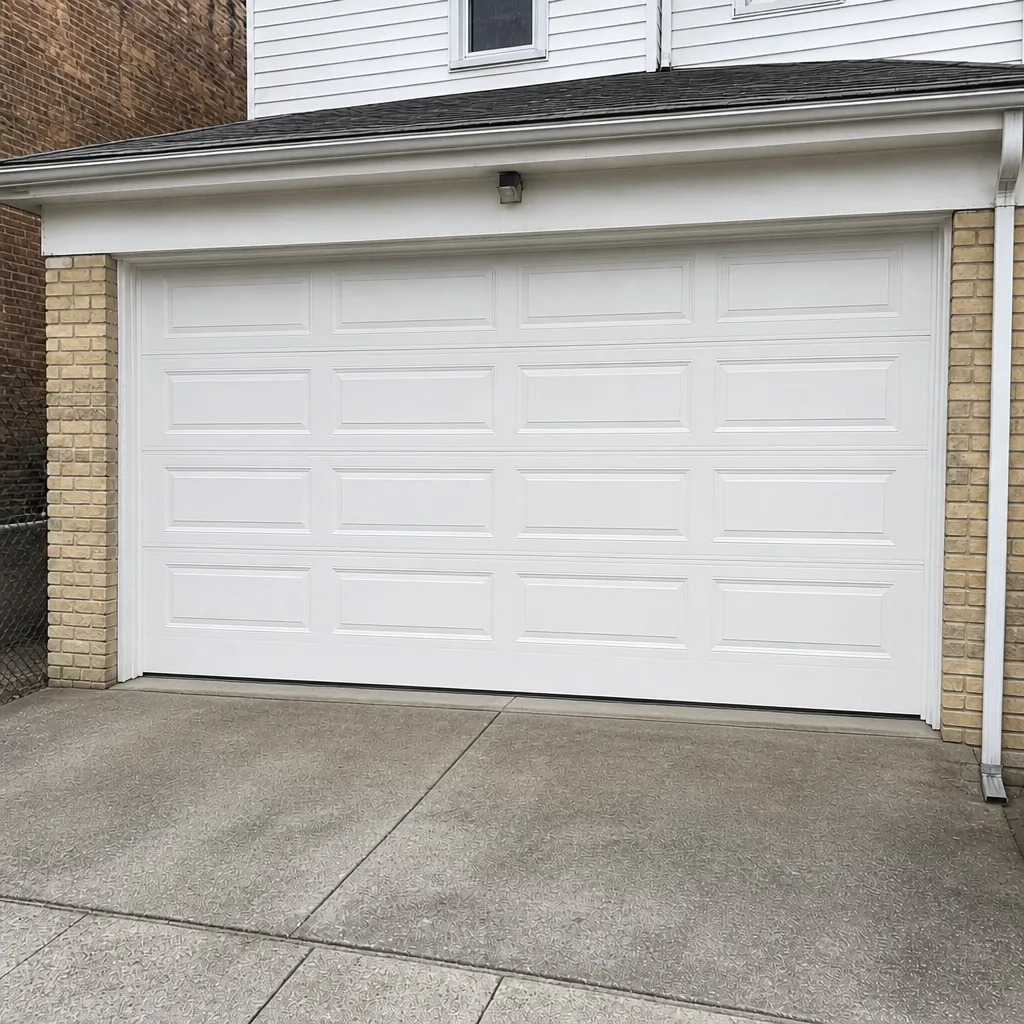 After
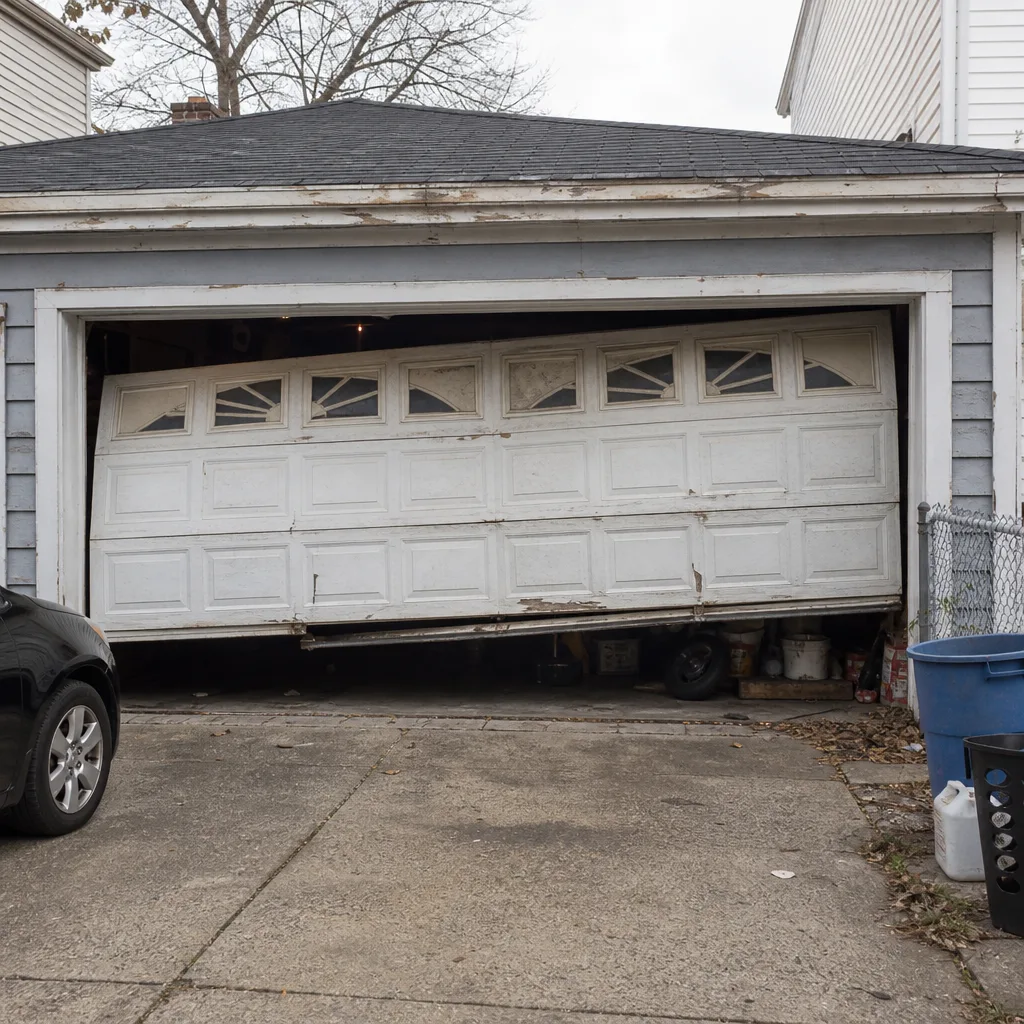 Before
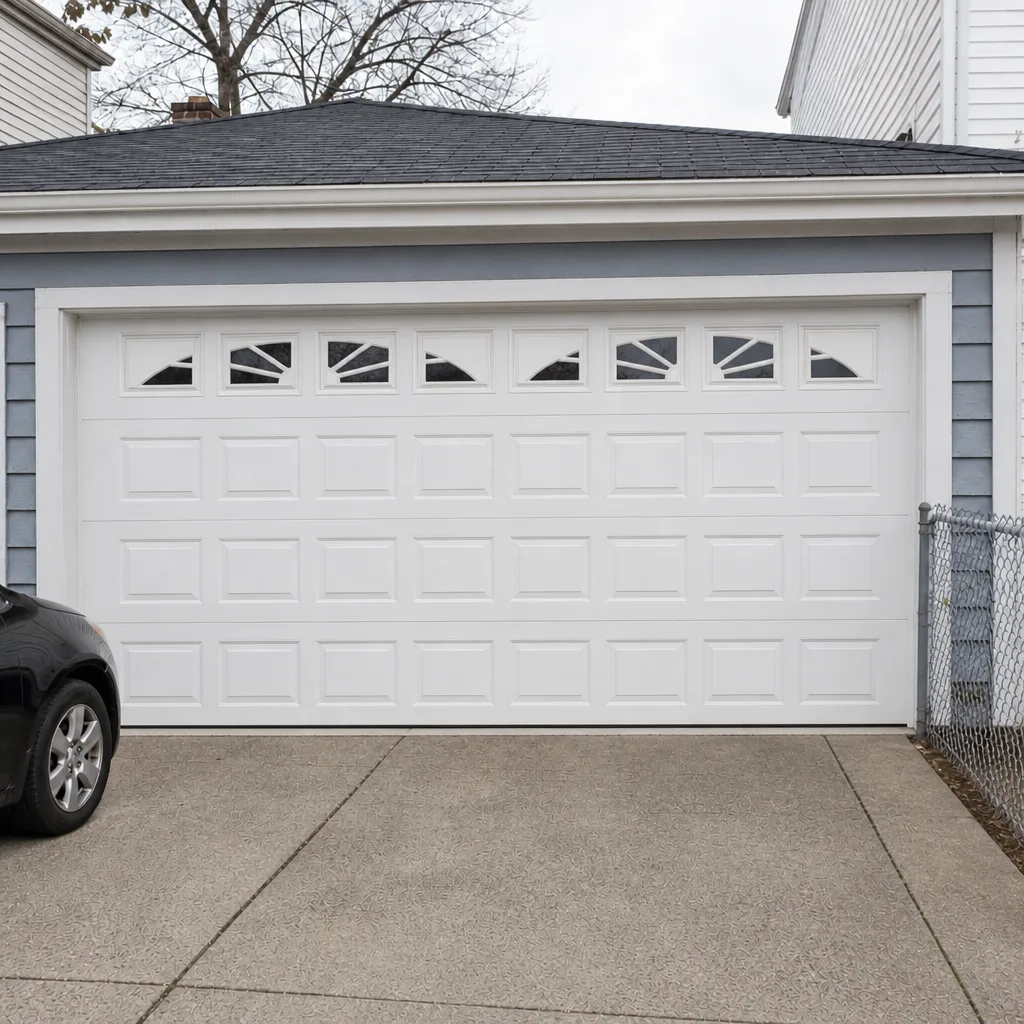 After
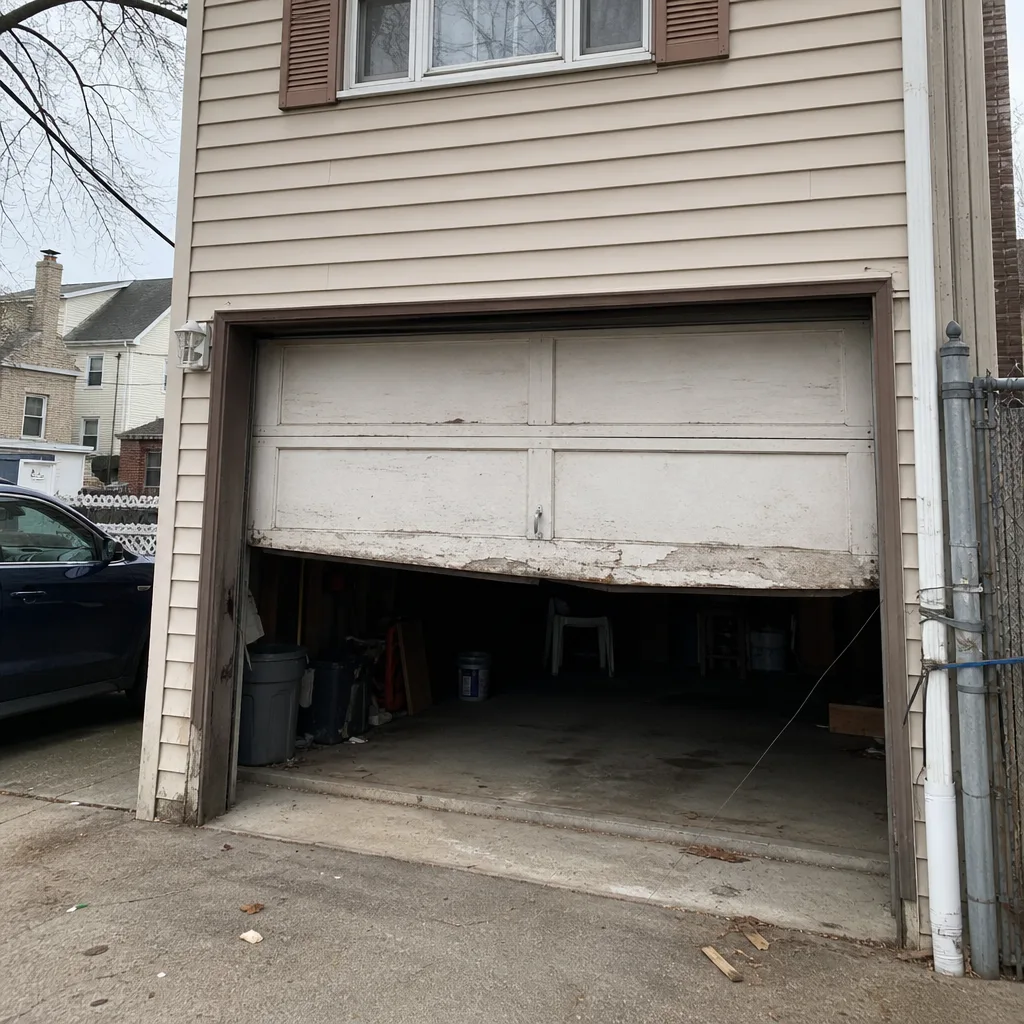 Before
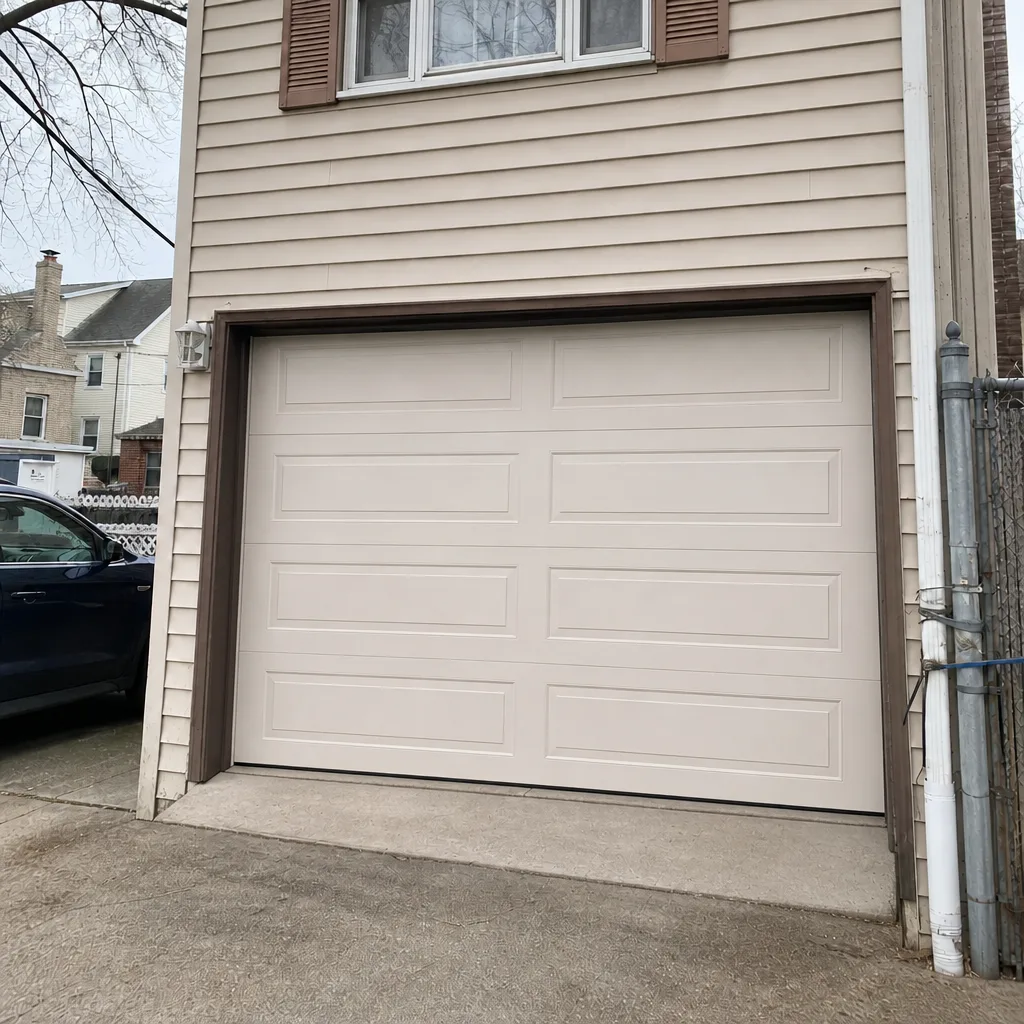 After