Last updated November 21, 2026
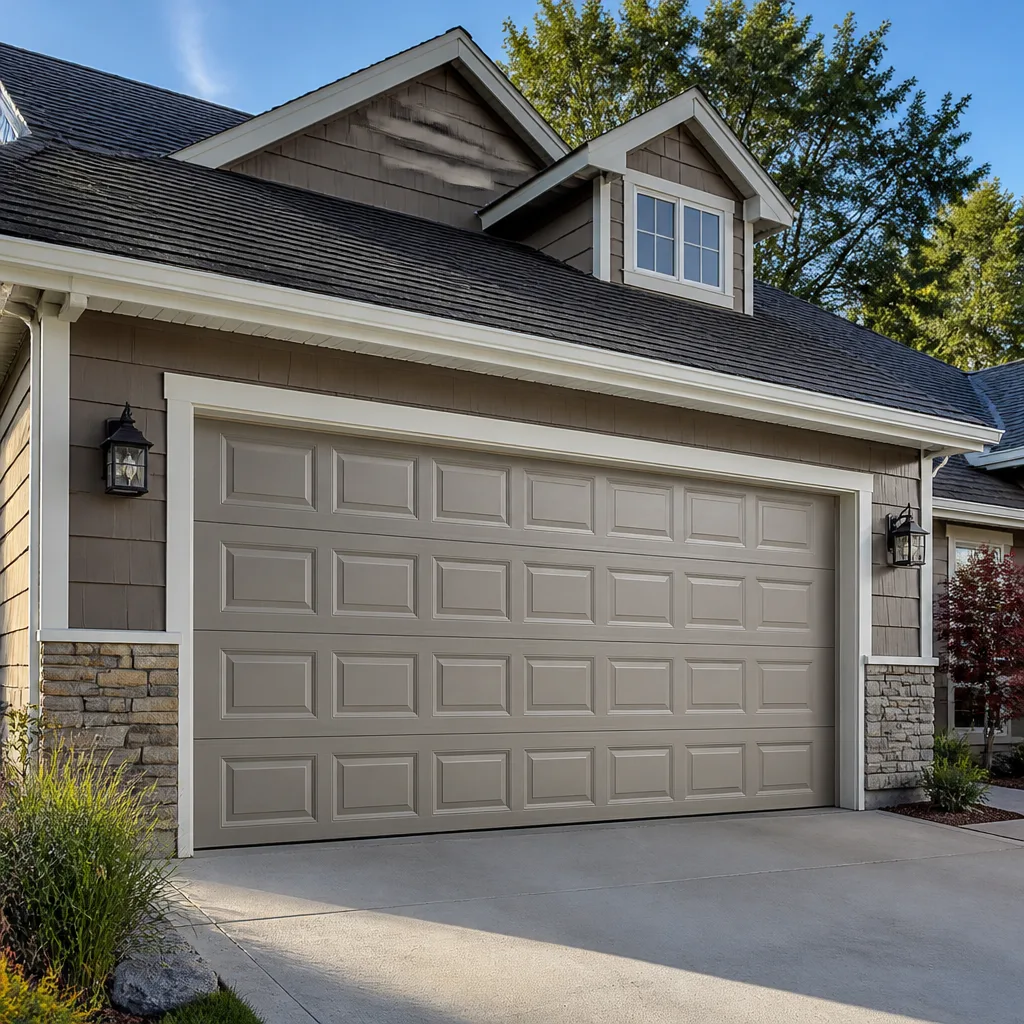 Raised-panel steel
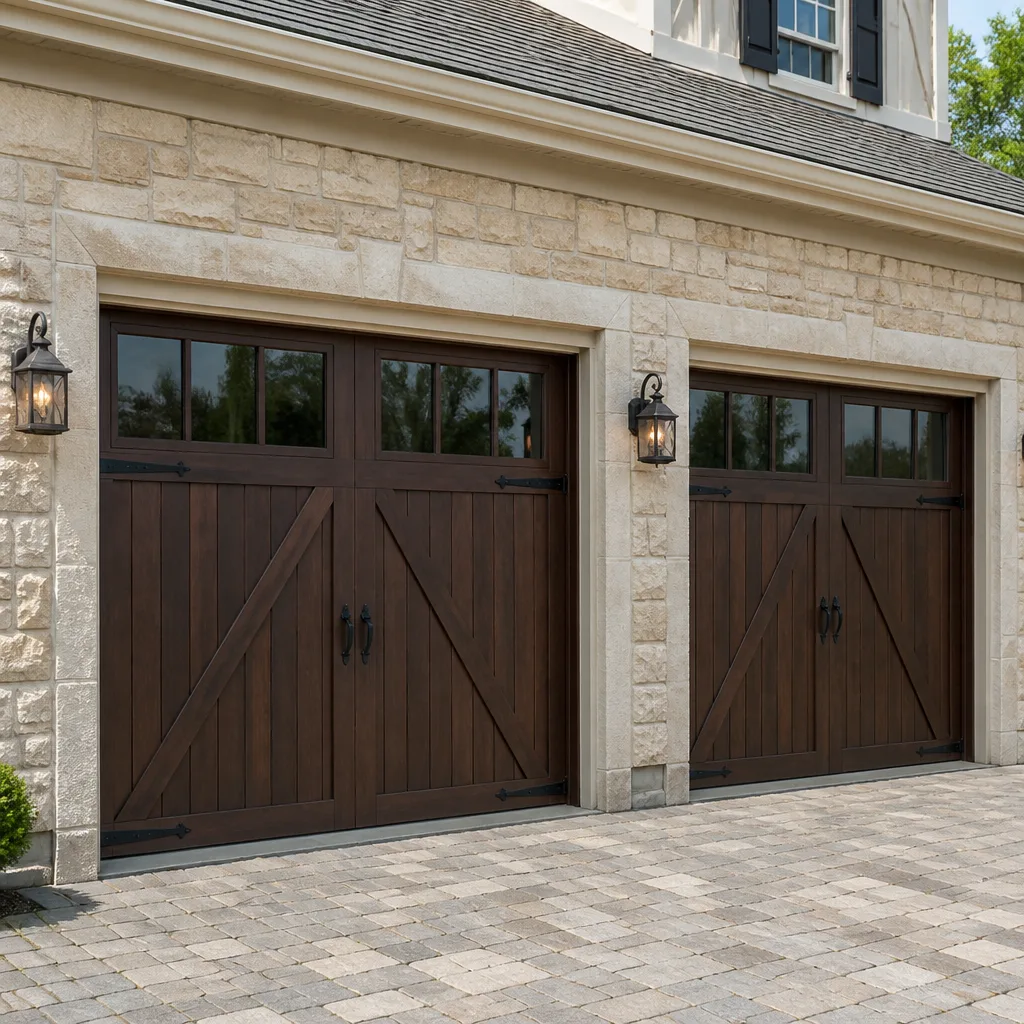 Carriage house
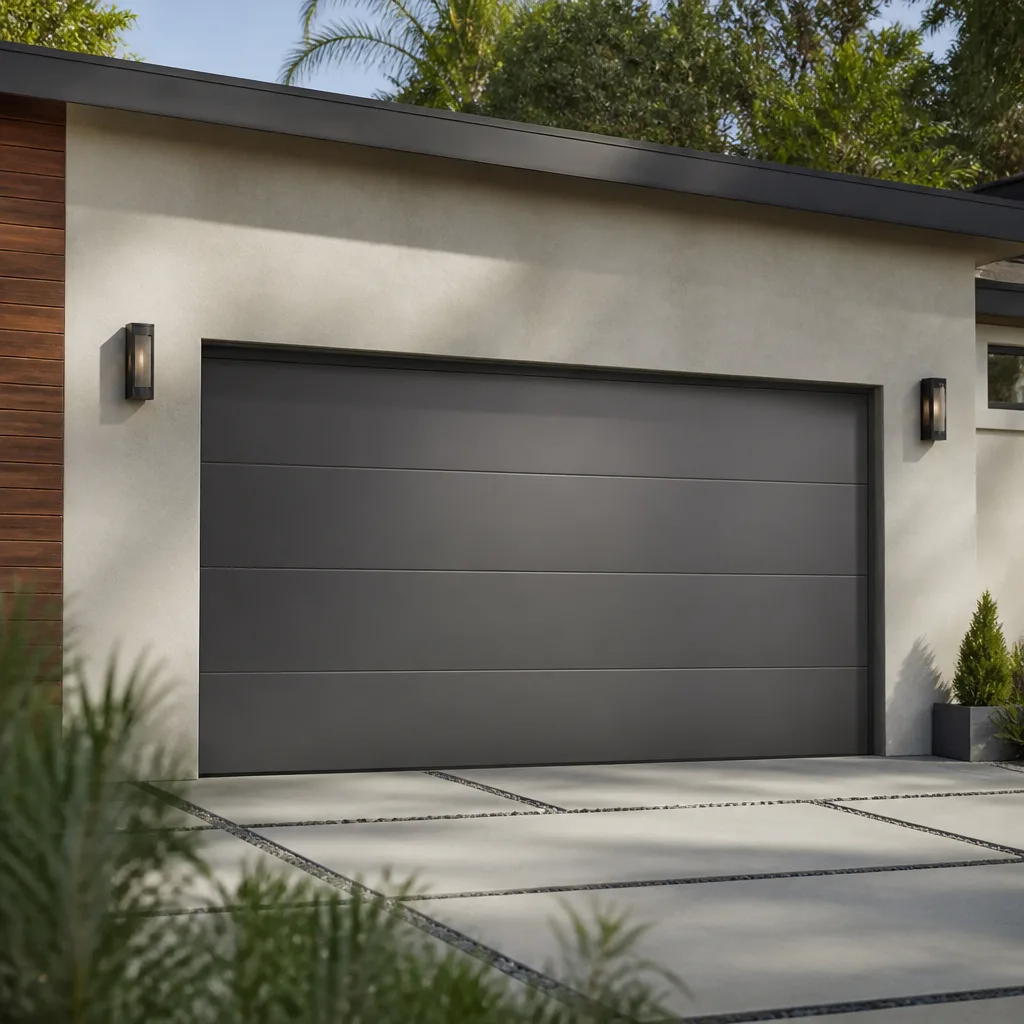 Modern flush
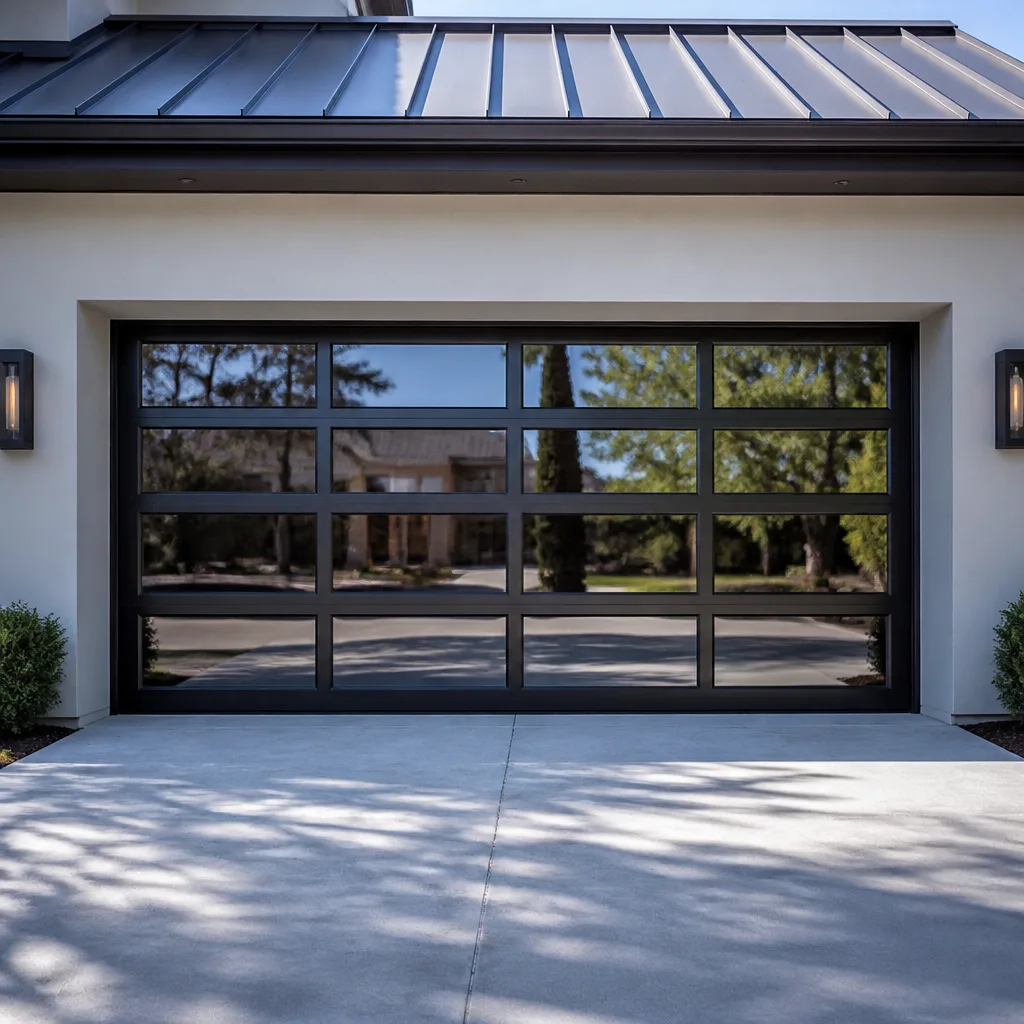 Full-view glass
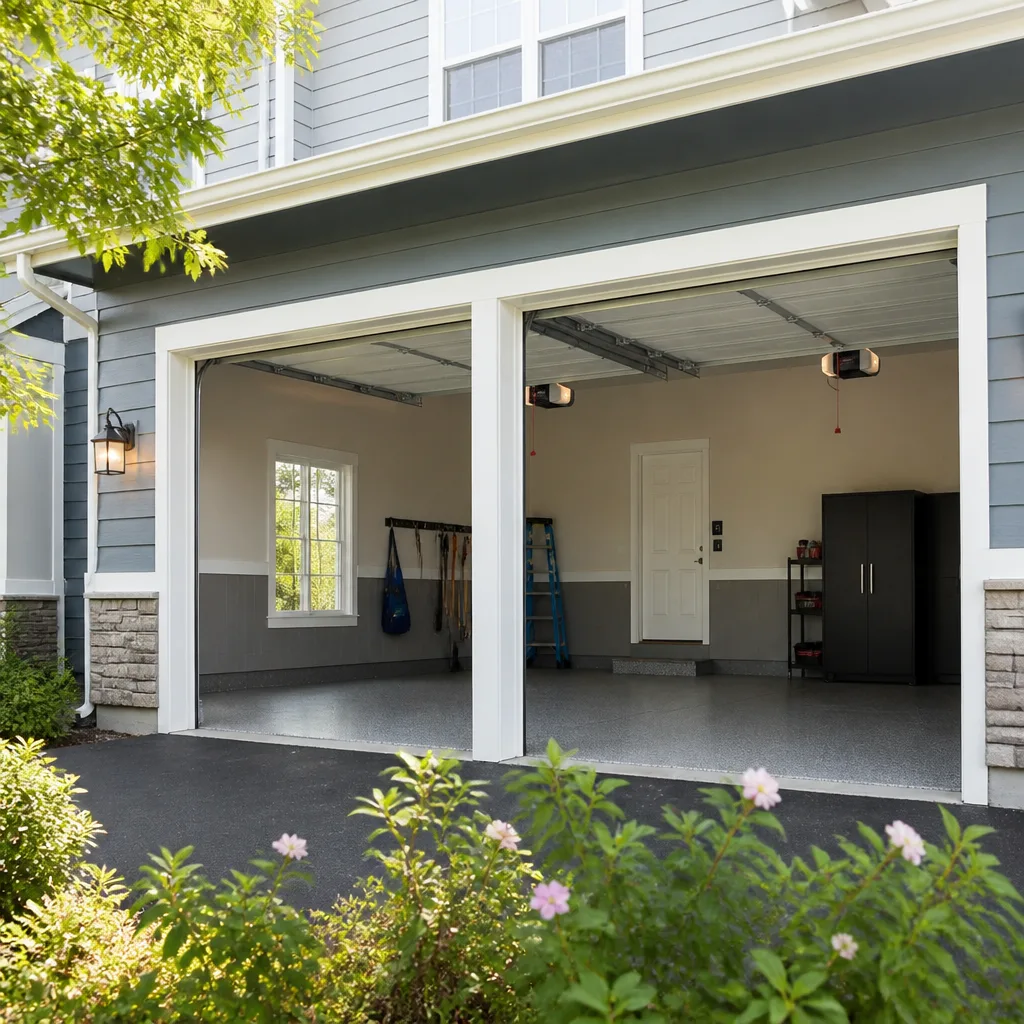 LiftMaster openers
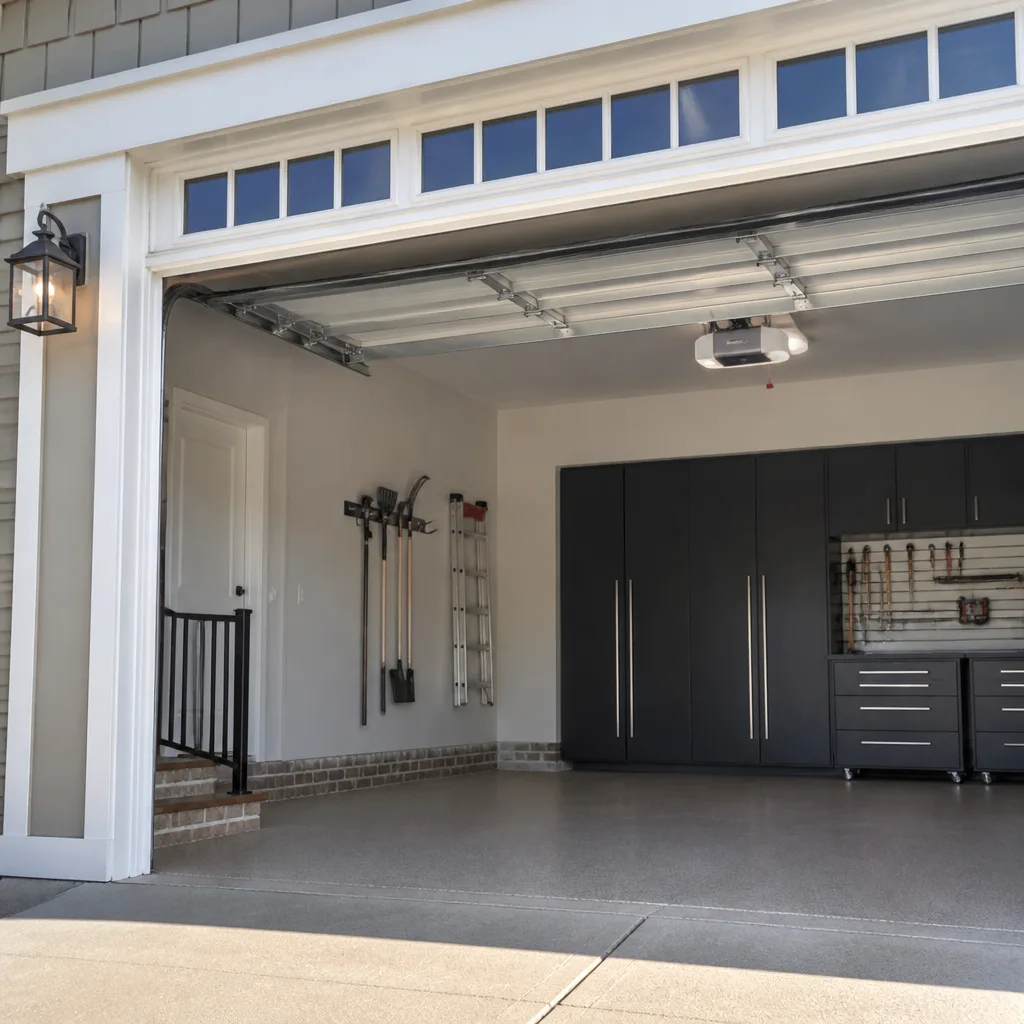 Chamberlain openers
Full 25-point door and opener safety check with every visit - springs, cables, rollers, tracks, and your LiftMaster or Chamberlain opener included
You get a price before we start. It does not change when the pro arrives.
Get your free estimateGarage Door Repair Maintenance Checklist for Ironbound Homeowners
The number-one reason garage doors fail in Ironbound in February isn’t the cold itself. It’s that the lubricant applied back in October was the wrong viscosity, and it gelled solid overnight, locking the rollers in place. Most maintenance advice floating around online was written for a mild climate with no real winter and no street grit, and it fails here for exactly that reason. This guide is different. It’s a task-by-task schedule built around the failure modes that actually show up in Ironbound, NJ: freeze-thaw stress, urban grime on street-facing doors, and older housing stock with hardware that’s been through a few too many Newark winters. You’ll learn what to check, when to check it, and which jobs to leave to a trained technician.
Quick Answer
A garage door maintenance checklist for Ironbound should run on a seasonal cycle, not a once-a-year pledge: lubricate moving parts with a cold-rated product in late fall, clean street grit off the tracks monthly on doors facing the street, and inspect springs, cables and weatherseals before the freeze and again after the thaw. Springs, cables and torsion hardware are dangerous and should be inspected visually by a homeowner but adjusted or replaced only by a trained professional. Everything else on the list you can handle yourself with a few tools and a little patience.
Styles & brands we work with
- Raised-panel steel
- Carriage house
- Modern flush
- Full-view glass
- LiftMaster openers
- Chamberlain openers
Table of Contents
- Why an Ironbound Checklist Is Different
- Choosing the Right Lubricant for New Jersey Winters
- Tracks, Grit and Street-Facing Garages
- Visually Inspecting Torsion Springs Before a Snap
- Cable Fraying After Freeze-Thaw Cycles
- Weatherseal Inspection Around Newark’s Precipitation
- Your Seasonal Task Schedule
- Opener Checks and Smart-System Diagnostics
Why an Ironbound Checklist Is Different
Ironbound sits at the edge of Newark, a dense neighborhood of multi-family homes, corner businesses and garages that face busy streets. That layout changes how a garage door wears. A door that faces the street takes exhaust particulate, road grit and winter road treatment head-on, all of which collect in the tracks and on the rollers. A door tucked down a quiet block sees a fraction of that. The same checklist can’t serve both doors on the same schedule.
Then there’s the weather. Ironbound runs through real freeze-thaw cycles every winter. Water gets into seams and track joints, freezes, expands, then thaws and leaves behind a looser fit. Do that a few dozen times across a season and hardware that was snug in November is rattling by March. Older homes here have garage doors and hardware that have seen many of those cycles, and metal fatigues faster than most homeowners expect.
What that means in practice:
- Street-facing doors need cleaning and inspection more often than doors on interior blocks.
- Lubrication has to be rated for cold, not just for quiet operation.
- Springs, cables and hinges warrant a visual check before the first hard freeze and again after the last one.
- Weatherseals wear faster than the “check once a year” advice suggests.
If you take one thing from this section, it’s this: this is not a checklist you can copy from a mild-weather city and expect to work in Ironbound. It’s built for the doors on your block, on your street, in your winters.
Choosing the Right Lubricant for New Jersey Winters
Here’s the counterintuitive part. The problem in February usually isn’t the cold. It’s the lubricant someone applied in October. A light general-purpose oil that feels fine at 60°F can thicken to a near-solid at 20°F or below, and that thickened film grabs the rollers and hinges instead of letting them move. The door fights the opener, the motor labors, and on a cold morning the whole thing can feel like it’s seized.
The fix is straightforward: use a lubricant that holds its viscosity at low temperatures. White lithium grease holds up reasonably in cold, but silicone-based spray lubricants and dedicated cold-weather garage door lubricants maintain a slick film well below freezing. Avoid heavy motor oil, WD-40 as a long-term lubricant (it’s a penetrant, not a lubricant), and anything labeled “all-purpose” without a cold rating.
Where to apply it:
- Rollers, focusing on the bearing and stem, not the wheel itself.
- Hinges at the pivot points, one or two drops each.
- The torsion spring coils lightly, never the cable.
- The opener’s rail and chain or belt, following the opener manufacturer’s guidance.
Raynor and Clopay doors, common on newer Ironbound builds, generally respond well to silicone spray on hinges and rollers. For homeowners running a LiftMaster or Chamberlain opener, a light application on the rail is fine, but keep lubricant off the belt or chain itself unless the opener maker says otherwise. Too much lubricant attracts grit, which is the next section’s problem. Apply in late October so the film sets before the first hard freeze, and touch up rollers and hinges in midwinter if the door starts to feel sticky.
Tracks, Grit and Street-Facing Garages
Walk down any busy Ironbound street and you’ll see it: exhaust particulate, road dust and winter treatment grit collecting on the lower tracks of street-facing garages. That’s not cosmetic. Grit wears rollers, scores the track, and gets pulled into the opener’s mechanism. Doors on interior blocks and quieter streets collect less, but the buildings here are close together and dust still finds its way in.
Cleaning intervals depend on exposure:
- Street-facing garages on busy blocks: wipe down tracks and vacuum out grit monthly.
- Garages set back from the street: clean tracks and rollers every two to three months.
- Any door after a snow event or road treatment: one quick pass along the lower tracks within a few days.
The cleaning itself is simple. Use a damp rag and a stiff brush to clear the inside of the vertical and horizontal tracks. Don’t use a pressure washer, which forces water into the hinges and spring assembly. Check for loose bolts at the same time, and tighten any track bracket that’s working itself free.
If you notice the door hesitating on the way up or the rollers squealing after a clean, this is when a trained technician should look at it. A garage door repair call at that stage usually catches a worn roller or a track that’s drifted out of alignment, which is cheaper to fix than waiting for the opener to fail. Owners of multi-family buildings in Ironbound should put the monthly track clean into whatever routine their maintenance crew already follows, because the shared street-facing doors take the most punishment.
Visually Inspecting Torsion Springs Before a Snap
Torsion springs are the most dangerous part of any garage door system. They hold the door’s full weight under tension, and a spring that snaps while someone is working near it can cause serious injury. We handle spring repair as a standard service for exactly that reason. A homeowner should learn to inspect a spring visually, and then leave any adjustment or replacement to a trained professional.
What to look for during a visual check:
- Gaps in the coil. A spring should look like a uniform coil. A small gap that’s widened since your last check is a sign of fatigue.
- Rust at the ends. Surface rust is usually cosmetic, but rust creeping into the coil near the anchor or cone is a warning.
- Warped or bowed appearance. A spring that’s visibly out of shape is compromised.
- Sluggish or overly fast lift. A door that suddenly feels different to lift by hand is telling you the spring tension has changed.
Do the check with the door closed, from the ground, without reaching into the spring assembly. If you see a gap, a warp or heavy rust, call for an inspection before the door is used again. Spring repair in Ironbound runs on a specific pattern: the worst failures happen on the first cold morning after a hard freeze, when a fatigued spring meets maximum metal contraction. That’s why we push the pre-freeze inspection so hard. A spring that’s already showing fatigue in October is a spring that’s likely to snap in January.
Cable Fraying After Freeze-Thaw Cycles
Garage door cables are under constant tension and they run through pulleys and drums that get no attention until something fails. In Ironbound, freeze-thaw stress cycles accelerate cable wear. Moisture gets into the drum and pulley housings, freezes, expands, and creates small misalignments. Each thaw leaves a little slack or a slightly different angle of pull. Over a few winters, the cable flexes at points it shouldn’t, and individual strands break.
What early cable fraying looks like:
- A single broken strand sticking out at the drum or pulley.
- A cable that looks kinked or has a “birdcage” tangle near the drum.
- Fraying near the bottom bracket, where the cable attaches to the door.
- A slight sag in the cable on one side that wasn’t there before.
Inspect both sides. Cables rarely wear evenly, and a cable that’s started to fray on one side tells you the load isn’t balanced. Anything beyond a first look should be handled by a trained technician, because a cable under tension can snap with enough force to cause injury. If you’re seeing fraying, don’t wait for it to fail. A Garage Door Repair Ironbound technician can assess the cable, the drum and the spring together, which is how most cable failures are actually caught.
For Ironbound owners, the practical schedule is a visual cable check before the first hard freeze and again in early spring. The freeze-thaw cycles between those two points are where the wear happens.
Weatherseal Inspection Around Newark’s Precipitation
The weatherseal is the rubber or vinyl strip that runs along the bottom of the door and down the sides. It’s the first line of defense against water, wind and drafts, and it’s the part most homeowners never look at. Generic advice says to check it annually. In Ironbound, the local precipitation pattern makes a once-a-year check too loose, because the seal does most of its work in a handful of heavy rain events and in the wet late-winter thaw.
What to inspect and when:
- Before the wettest stretch of the year. Run your hand along the bottom seal with the door closed. If you feel daylight or water will pass through, replace it.
- After the late-winter thaw. Freeze-thaw cycles can crack a bottom seal that looked fine in December.
- Any time you see water pooling at the door’s base inside the garage. That’s the seal doing its job poorly, and it’s worth replacing before it damages anything on the garage floor.
Side and top seals matter too, especially on older Ironbound homes where the door frame itself has settled. A gap along the side lets in wind-driven rain and cold air, and in some houses it’s the reason the garage stays damp no matter what. Check the side seal along its full length, look for a hard, cracked, or shrunk seal, and replace it before the next wet season.
Replacing a bottom weatherseal is a job a careful homeowner can handle. Replacing side or top seals that involve the door frame, the trim or the track is better handled by a technician who can square the seal to the door and check the frame at the same time.
Your Seasonal Task Schedule
Here’s the part that makes this checklist worth keeping. Below is the seasonal task schedule built for Ironbound’s climate. Print it, pin it inside the garage, and use it as your reference.
Late Fall (before hard freeze)
- Lubricate rollers, hinges, torsion spring and opener rail with a cold-rated lubricant.
- Visually inspect torsion springs for gaps, warp, rust at ends.
- Visual check of both cables at the drum, pulley and bottom bracket.
- Inspect weatherseal along the bottom and sides, replace anything cracked.
- Test the door’s balance by hand (with the opener disconnected, door halfway up) and note any change.
Winter (mid and late season)
- Reapply a light cold-rated lubricant on rollers and hinges if the door feels sticky.
- Clear street grit from lower tracks after any snow event or road treatment.
- Watch for sluggish opener operation or a door that reverses without cause.
Early Spring (after last freeze)
- Repeat the torsion spring and cable visual inspection.
- Replace any weatherseal that cracked or shrank over winter.
- Clean tracks, rollers and hinges thoroughly and re-lubricate.
- Check all track bolts and bracket tightness.
Summer
- Monthly grit clean on street-facing doors.
- Balance test and a check for any new noise or vibration.
- Review the opener’s wall control, safety sensors and battery backup.
That’s the whole cycle. Six or eight short check-ins across the year is all this takes. What you’re doing is catching small problems before they become a broken spring in February or a stuck door on a cold morning.
Opener Checks and Smart-System Diagnostics
Most Ironbound garage doors run on an opener from one of the major brands. LiftMaster and Chamberlain dominate the modern smart-home setups, Genie covers a lot of the older housing stock, and Craftsman units turn up in homes where the opener was installed decades ago and still works. Each has different failure patterns, and knowing which brand you’re dealing with saves time when something goes wrong.
What to check each season:
- Safety sensors. Wave a hand or a broom handle across the beam with the door closing. The door should reverse immediately. If it doesn’t, the sensors are misaligned or blocked.
- Wall control. Test the button and any keypad. If the door responds to the remote but not the wall control, the wiring or button is the issue.
- Force and travel settings. A door that reverses before fully closing, or that doesn’t quite seal, usually has a travel or force setting that needs adjustment.
- Battery backup (if fitted). If the opener has a battery backup, test it once a season. Ironbound loses power in storms more often than most homeowners expect.
- Wi-Fi and smart-home connection. For LiftMaster or Chamberlain units on Wi-Fi, check that the app still sees the opener after any router change. A dropped connection is usually the app, not the opener.
If the door won’t respond to any control, or the opener hums without moving the door, that’s a diagnostic call. A garage door opener repair visit will identify whether the problem is the opener, the safety sensors, the door’s balance or the wiring. Knowing the brand and the model up front is what gets that diagnosis done on the first visit rather than the second.
Common Mistakes to Avoid
- Using a warm-weather lubricant in October. The oil that makes the door quiet in fall can seize the rollers by February. Use a cold-rated lubricant or silicone spray.
- Reaching into the torsion spring assembly. Springs are under extreme tension. A visual check from the ground is fine; anything more is dangerous and belongs with a trained technician.
- Ignoring a single broken cable strand. One broken strand is a warning. Treat it as a failing cable and get it assessed before the door is used again.
- Assuming “check annually” weatherseal advice fits Ironbound. The precip pattern here wears the bottom and side seals faster than a once-a-year check catches, especially after the thaw.
- Skipping the track clean on street-facing doors. Monthly grit cleaning on a busy block prevents the roller wear that turns into opener failure.
- Adjusting spring tension yourself. It’s the single most dangerous adjustment on a garage door and the one most likely to cause injury. This is a technician job, every time.
- Ignoring a door that’s gotten noisier over a winter. Noise is usually the first sign of a loose bolt, a worn roller or a fatigued spring. Investigate before the noise gets worse.
See the difference
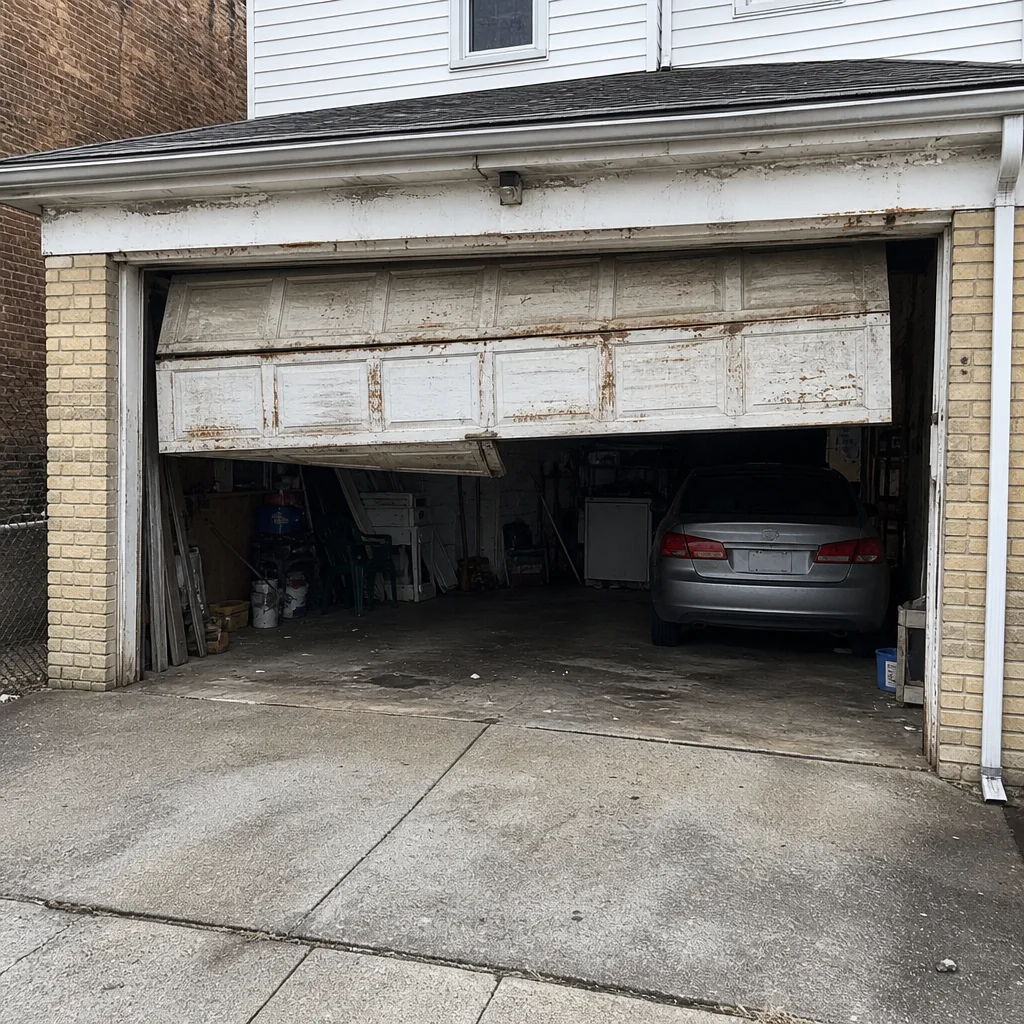 Before
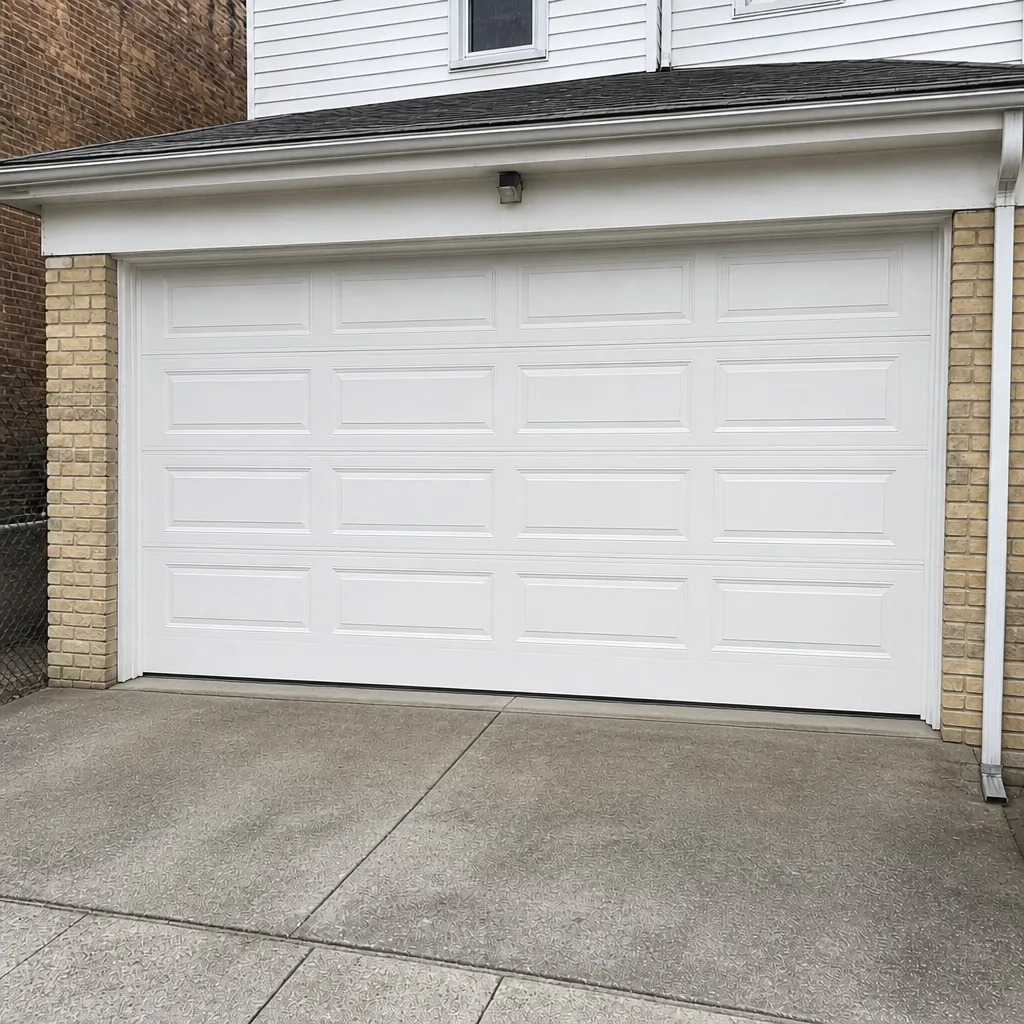 After
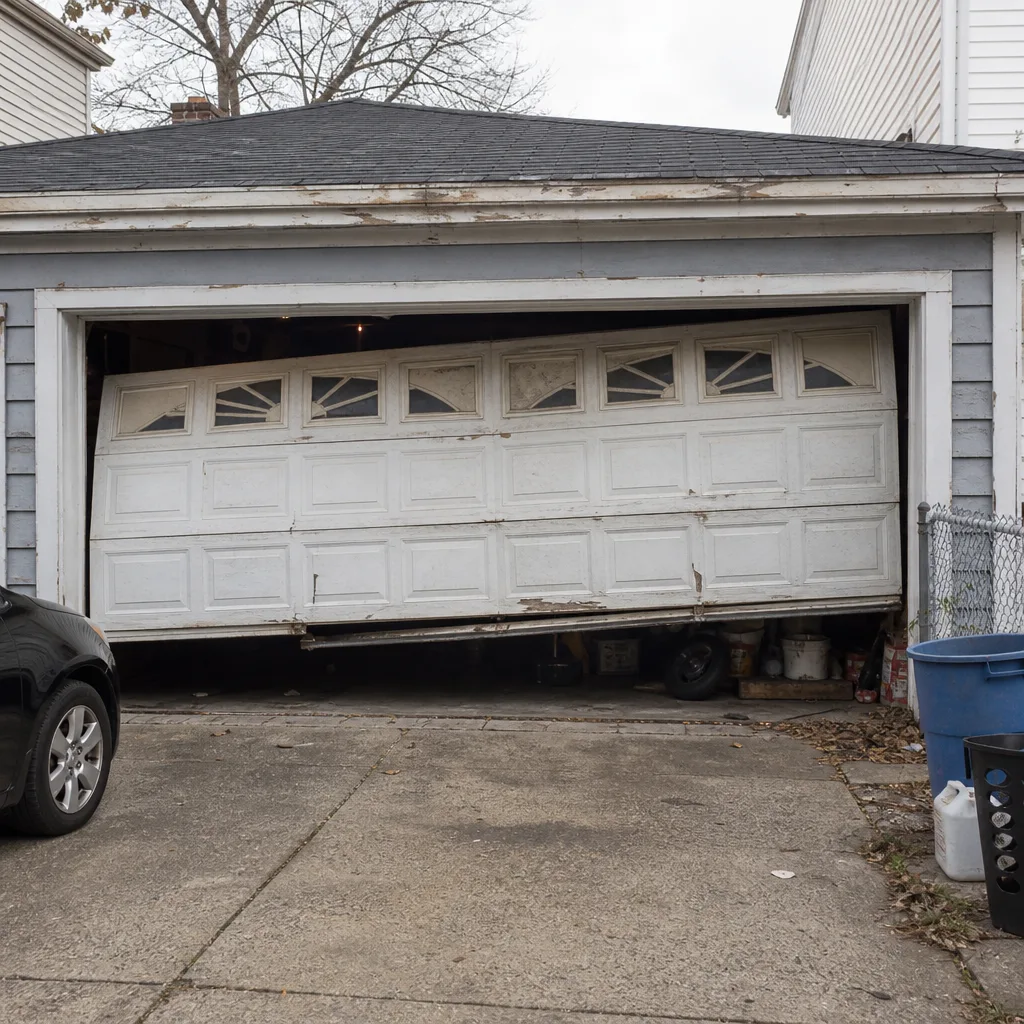 Before
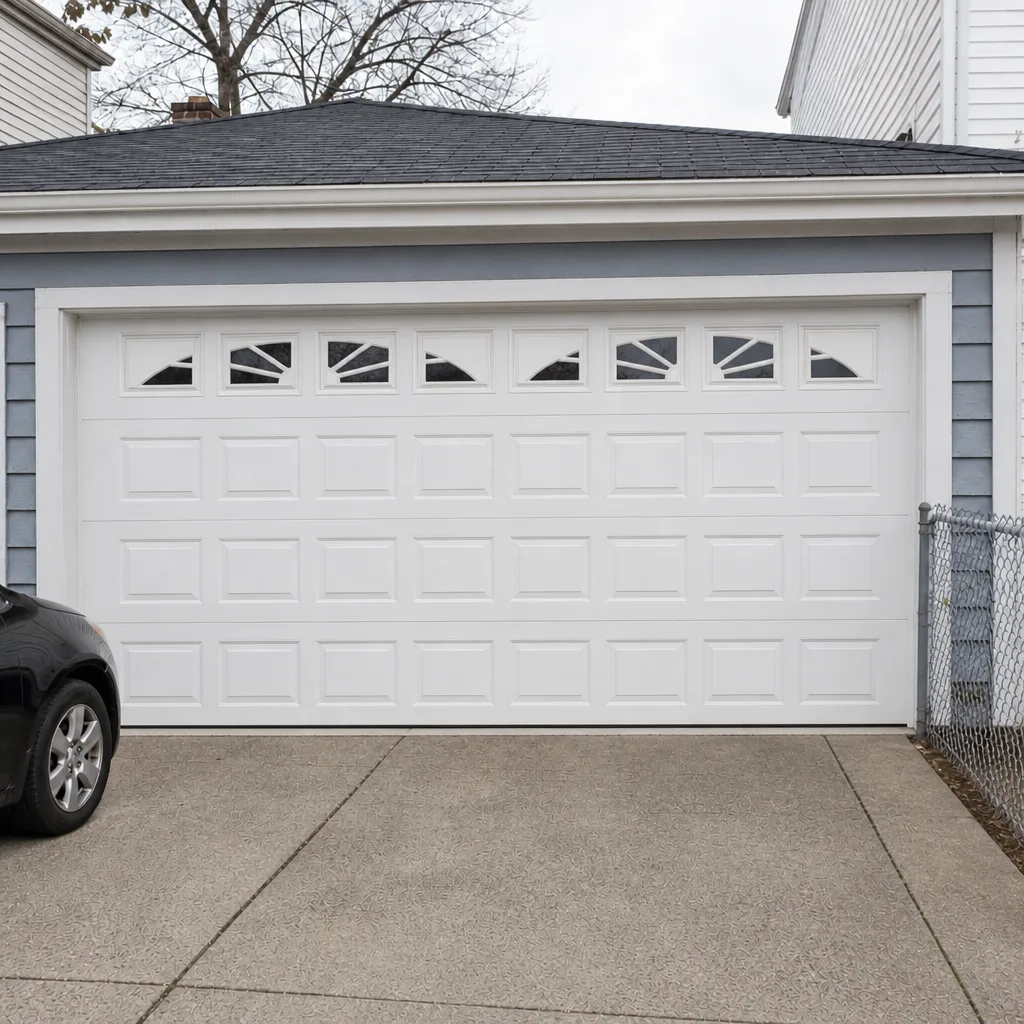 After
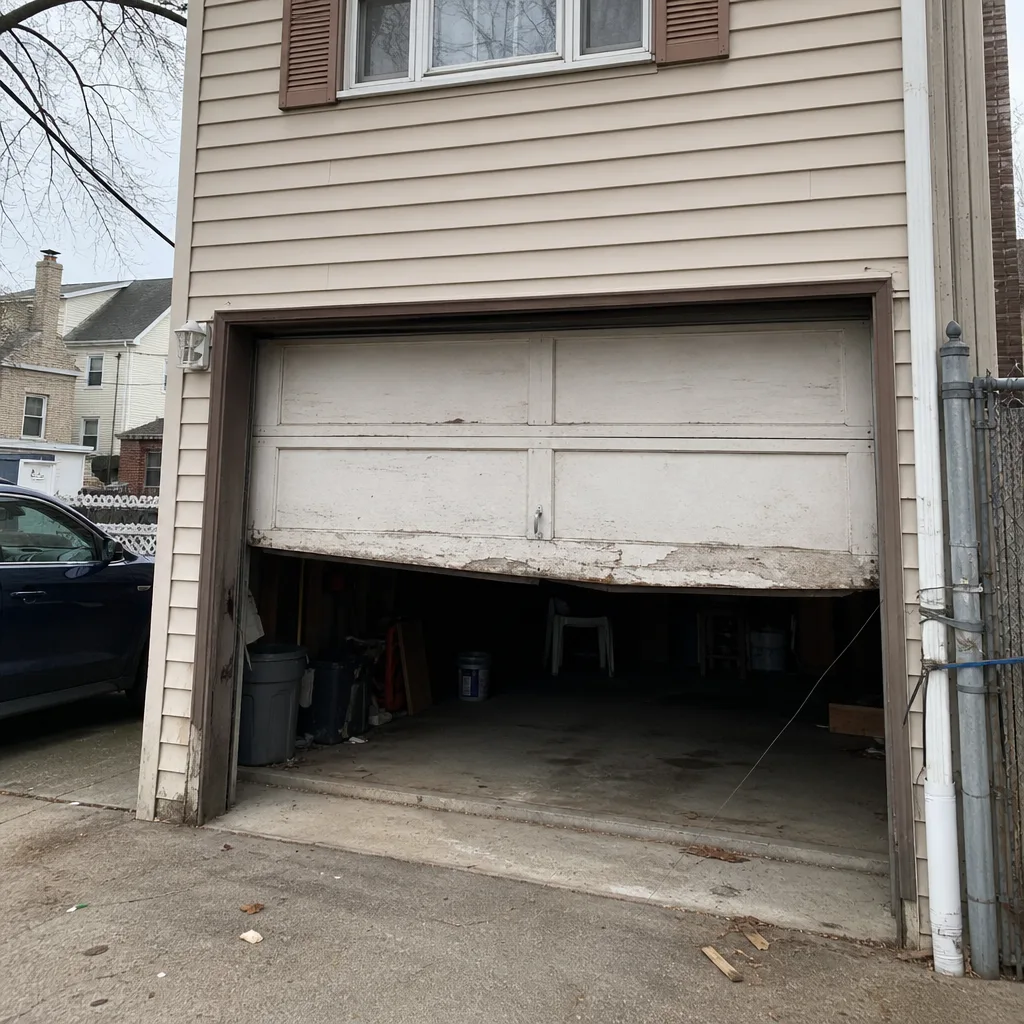 Before
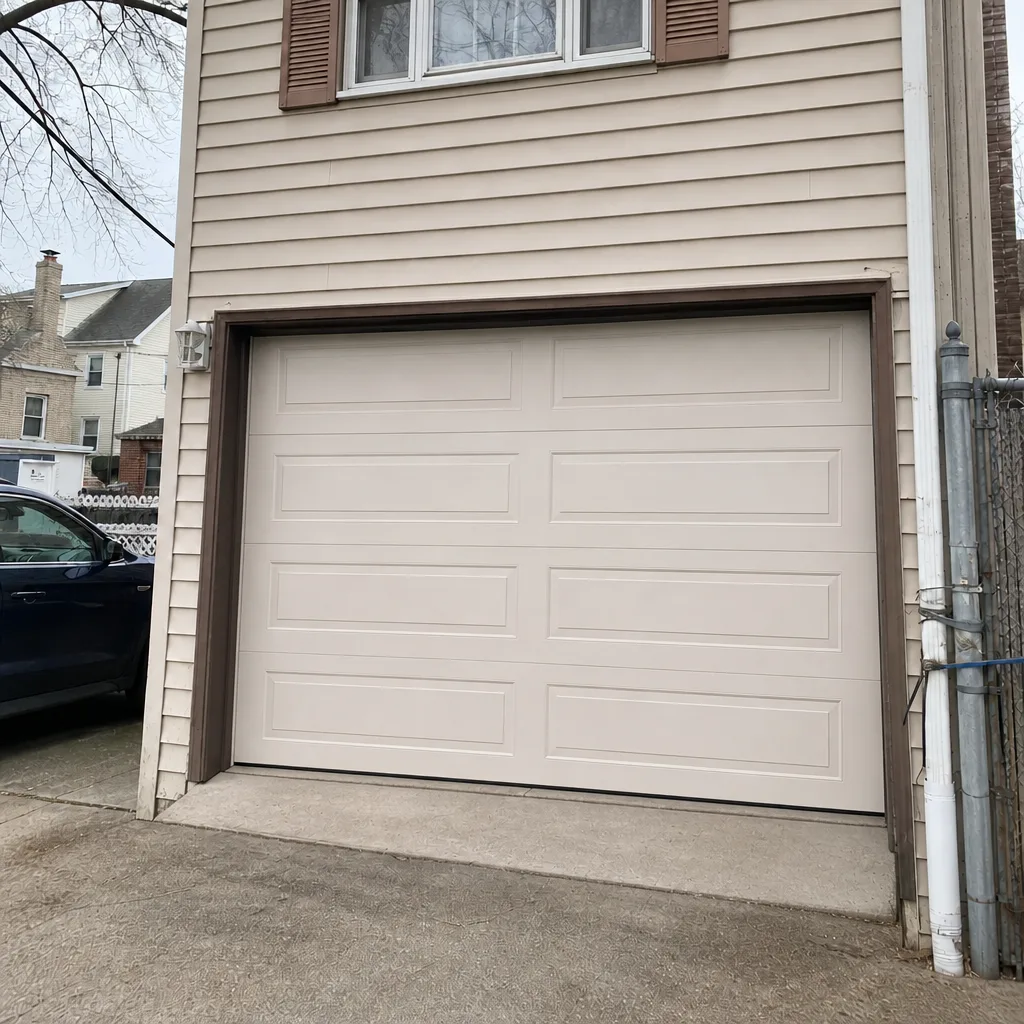 After
When to Call a Professional
Some tasks on this checklist are homeowner jobs: lubrication, grit cleaning, weatherseal replacement, testing safety sensors and monitoring an opener. Others are professional-only because of the risk involved. Call a trained technician when you find any of the following:
- A torsion spring with a visible gap, warp or heavy rust at the coil end.
- Any cable with a broken strand, kink, birdcage tangle or uneven sag.
- An opener that hums without lifting, won’t respond to any control, or reverses without cause.
- A door that’s noticeably harder to lift by hand than it was last season.
- Any track that’s been hit, bent or knocked out of alignment.
For a full installation, or for a door that’s beyond economical repair, a garage door installation consultation will walk you through sizing, spring rating for the door’s weight and the opener options that suit the house. Garage Door Repair Ironbound offers free estimates in Ironbound – call (855) 337-1035 and we’ll give you a written price before any work starts. Our technicians have up to 9 years of experience and work with LiftMaster, Chamberlain, Genie, Raynor, Clopay, Amarr, Wayne Dalton and Craftsman equipment, so we can diagnose on the first visit.
Frequently Asked Questions
Apply a cold-rated lubricant to rollers, hinges, the torsion spring and the opener rail once in late fall, then touch up rollers and hinges midwinter if the door starts to feel sticky. In Ironbound’s freeze-thaw cycle the fall application is the one that matters most, because the wrong viscosity is what causes doors to seize on cold mornings. Call (855) 337-1035 for a free estimate on any lubrication or tune-up job.
Use a silicone-based spray or a dedicated cold-weather garage door lubricant that holds its viscosity well below freezing. White lithium grease works too but is a step down in cold performance. Avoid general-purpose oil and WD-40 as a long-term lubricant, because both thicken or thin unpredictably at low temperatures. If you’d rather have the job done right, call (855) 337-1035 for a free estimate.
Yes, visually, from the ground, with the door closed and without reaching into the assembly. Look for gaps in the coil, warping, rust at the ends or a spring that’s visibly changed shape. Any adjustment or replacement is a trained-technician job, because springs are under extreme tension and the most dangerous part of the system. For a professional inspection, call (855) 337-1035 for a free estimate.
A fraying cable shows one or more broken strands sticking out at the drum or pulley, a kink or tangle near the drum, fraying near the bottom bracket, or a slight sag on one side. Check both cables each season, and have any cable with a broken strand assessed by a technician before the door is used again. Call (855) 337-1035 for a free estimate on a cable inspection.
Replace the bottom seal before the wettest stretch of the year and again after the late-winter thaw if it’s cracked or shrank. In Ironbound’s freeze-thaw pattern the bottom and side seals wear faster than a once-a-year check catches. If you see water pooling at the garage floor inside the door, replace the seal before the wet season returns. Call (855) 337-1035 for a free estimate.
The independent local professionals we connect you with are licensed and insured as New Jersey requires. We work with LiftMaster, Chamberlain, Genie, Raynor, Clopay, Amarr, Wayne Dalton and Craftsman equipment, and our technicians have up to 9 years of experience. For a free estimate in Ironbound, call (855) 337-1035.
The Bottom Line
A garage door maintenance checklist for Ironbound needs to match the local failure modes, not a generic template from a warmer state. The cold-rated lubricant in October, the monthly grit clean on street-facing doors, the pre-freeze and post-thaw visual spring and cable inspections, and the twice-yearly weatherseal check are the tasks that prevent the failures we actually see here. Springs and cables stay in professional hands. Everything else is a homeowner job with a few tools, a few minutes and a printed schedule on the garage wall. Do those, and your door keeps working on the cold mornings when you need it most.
Need a hand with any of the tasks above? Call (855) 337-1035 for a free estimate in Ironbound. We offer same-day emergency service when a door fails, free estimates on every job, and a written price agreed before any work starts.
Written by the team at Garage Door Repair Ironbound.