Last updated November 21, 2026
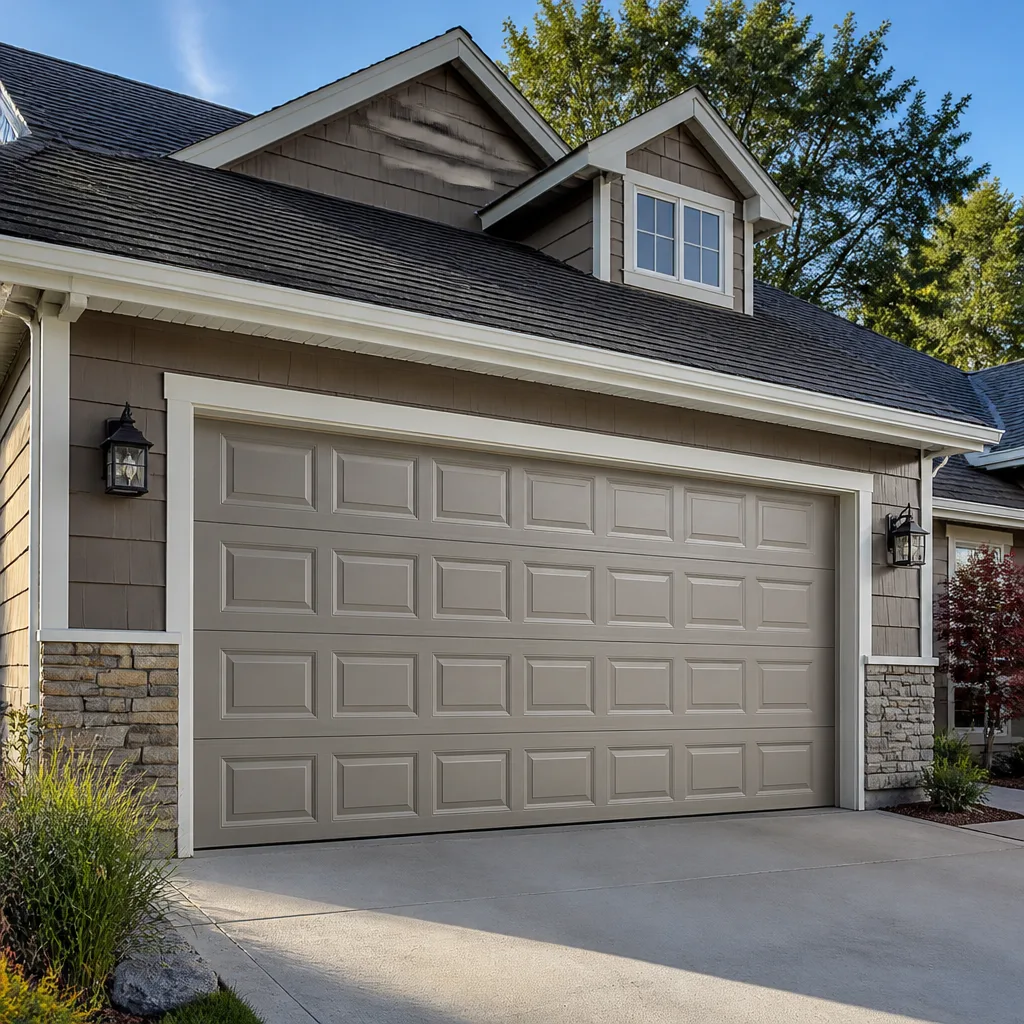 Raised-panel steel
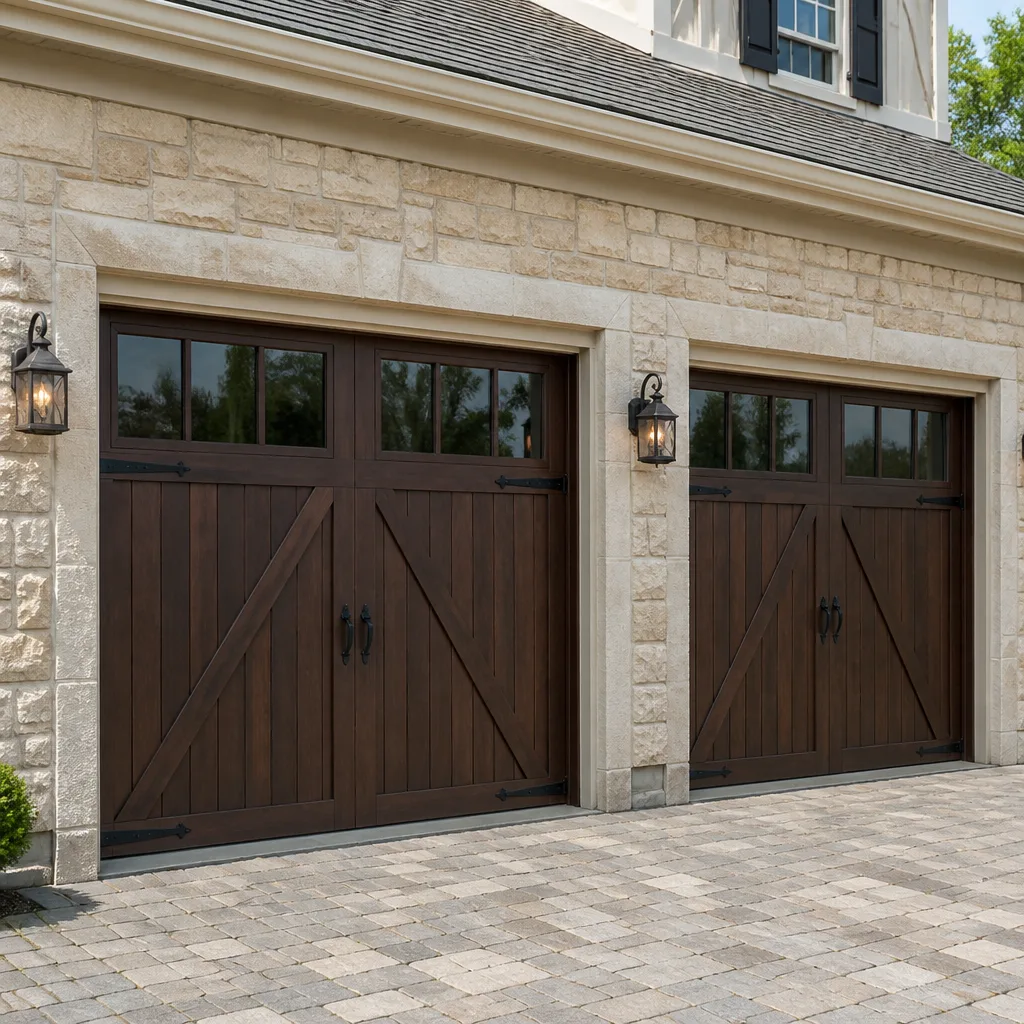 Carriage house
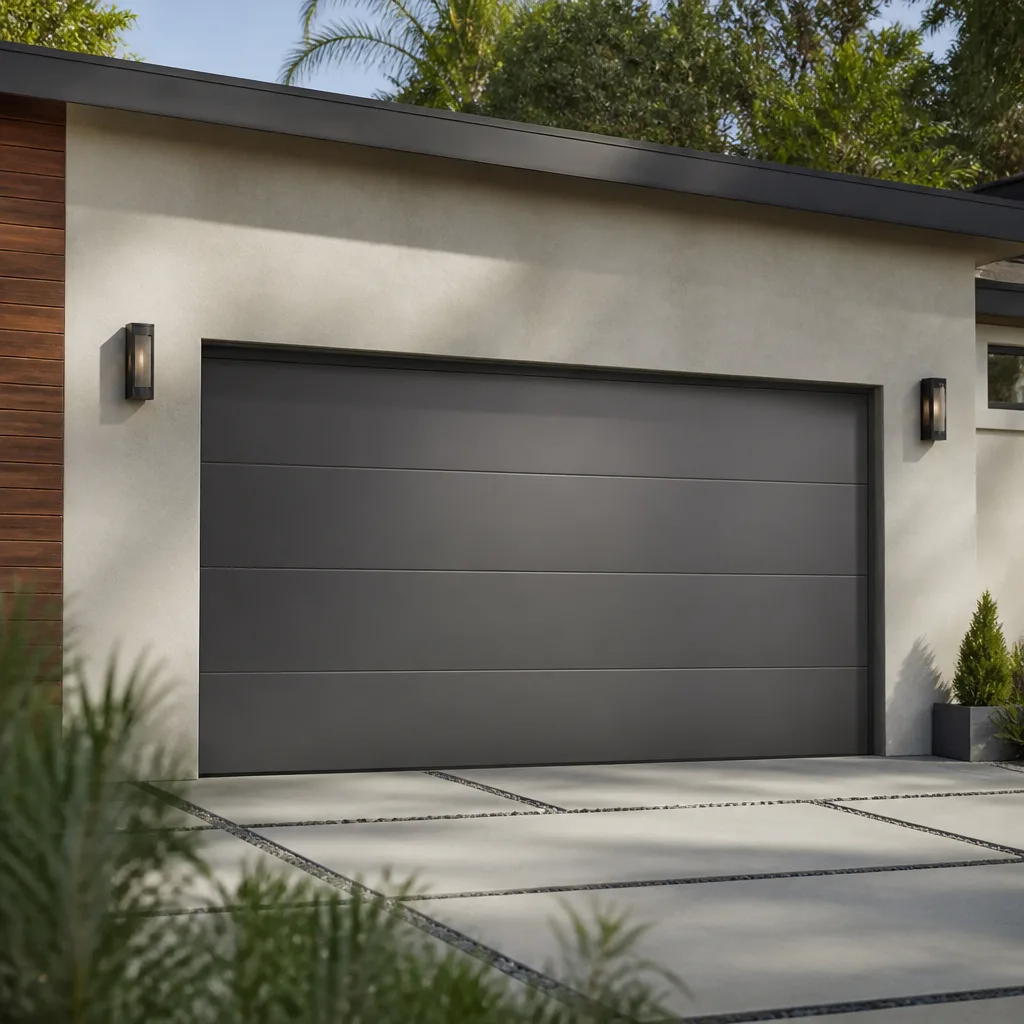 Modern flush
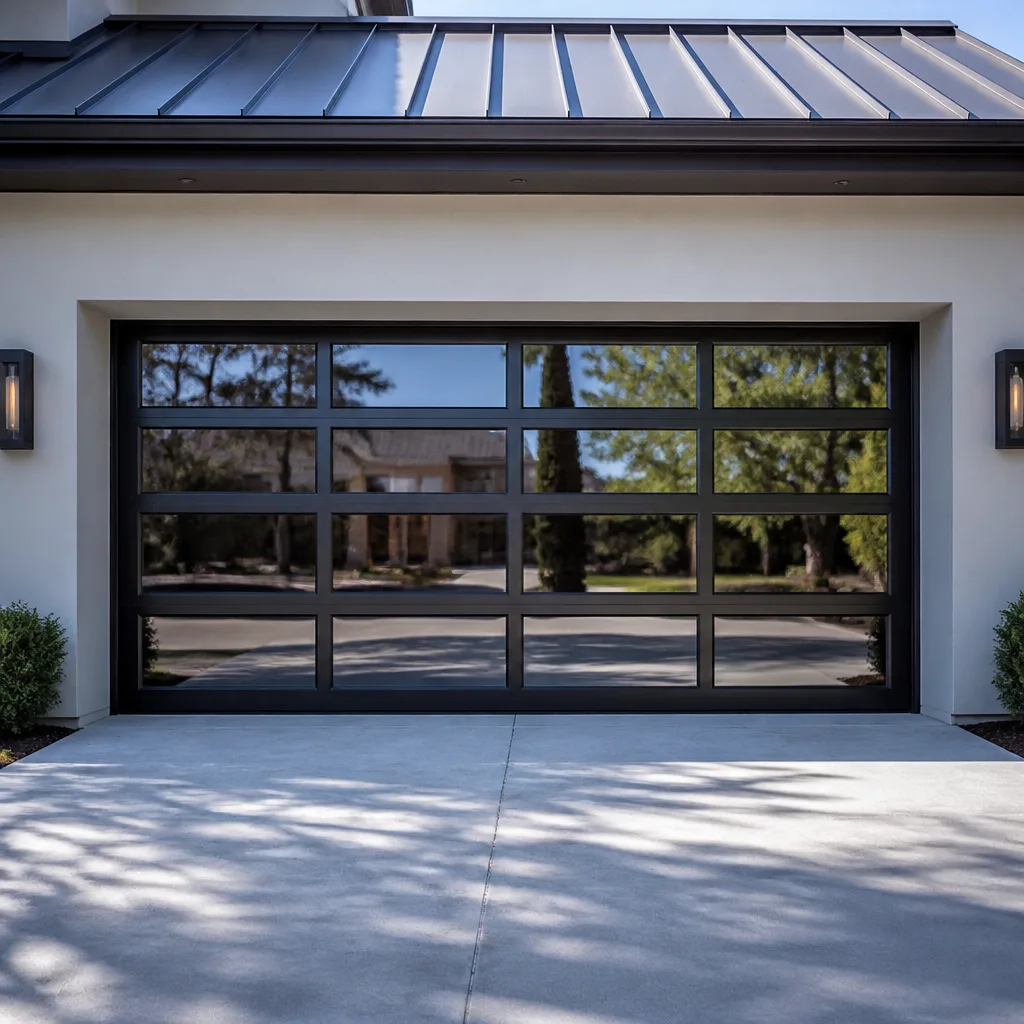 Full-view glass
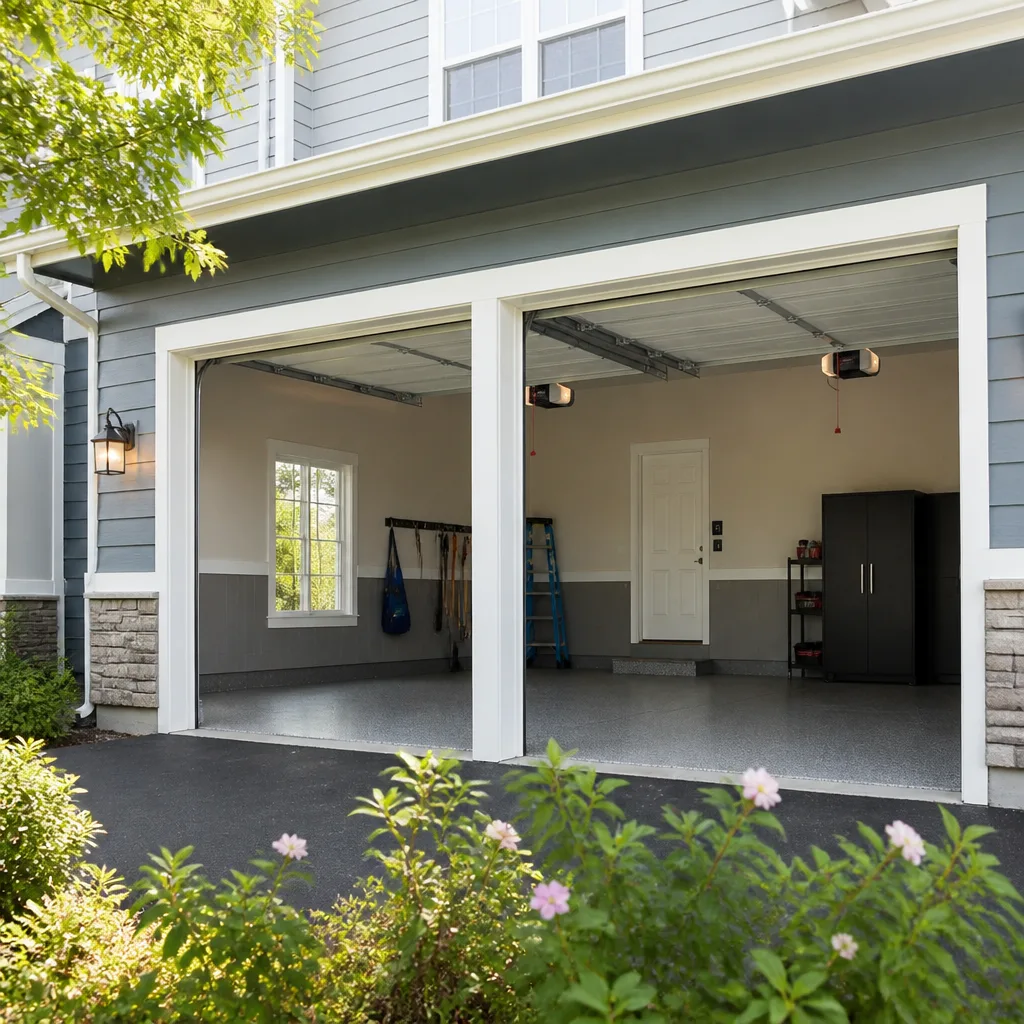 LiftMaster openers
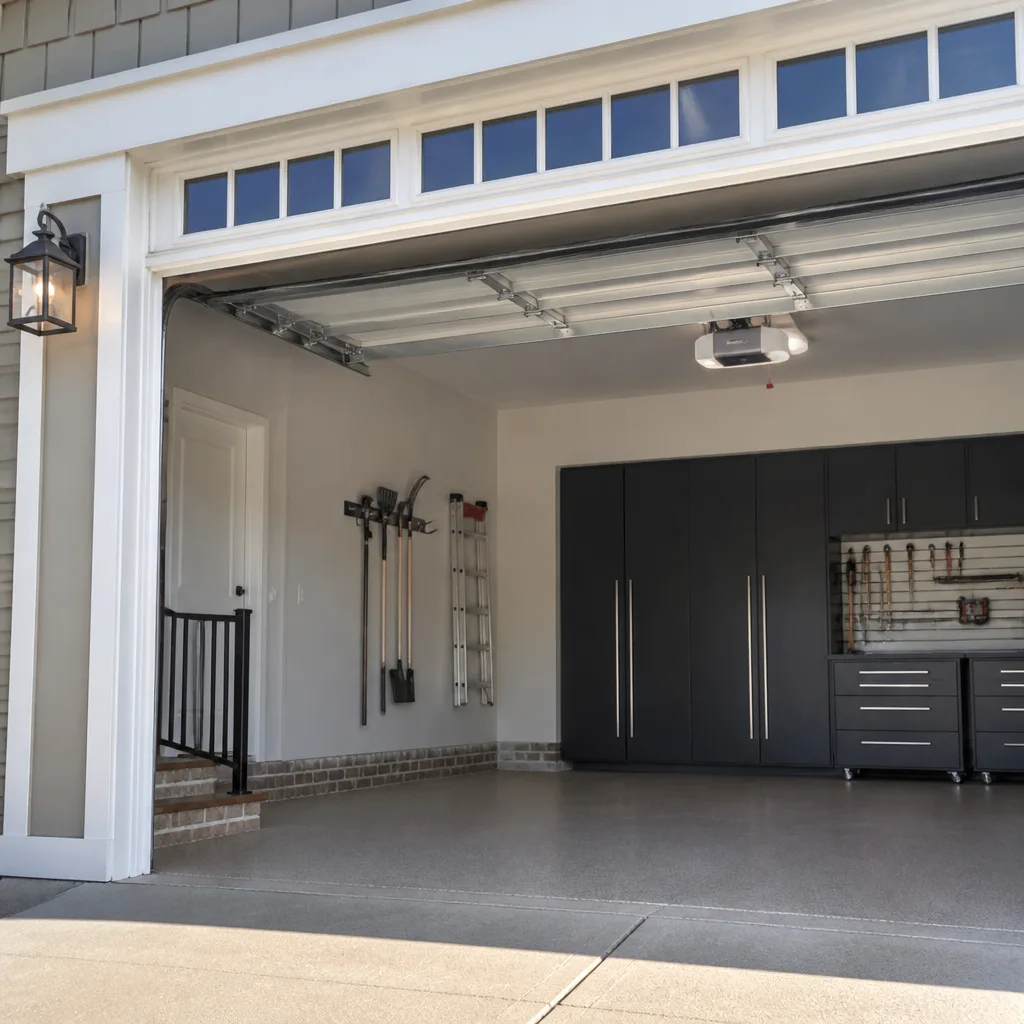 Chamberlain openers
Full 25-point door and opener safety check with every visit - springs, cables, rollers, tracks, and your LiftMaster or Chamberlain opener included
You get a price before we start. It does not change when the pro arrives.
Get your free estimateSeasonal Garage Door Care for Ironbound: Year-Round Homeowner’s Guide
Spring isn’t the gentlest season for garage doors in Ironbound, it’s the most dangerous. The temperature swings between March and April put more cumulative stress on torsion springs than the entire winter did, and the doors that fail loudest in early April are usually the ones nobody touched in February. Most care guides hand you the same advice every garage door owner in America already has: lubricate in fall, tidy up in spring, done. That schedule was written for a climate that doesn’t match ours. Ironbound homes live with humid summers that swell wood and composite panels and freeze-thaw winters that work anchor bolts loose one cycle at a time. This guide breaks the year into four failure windows and tells you what to check in each one, and why.
Quick Answer
Garage door care in Ironbound runs on a seasonal cycle, not a single annual tune-up: inspect torsion springs and cables in March and April when temperature swings cause the most failures, address swollen wood and weatherseal adhesion in July and August humidity, adjust tracks and change the bottom seal before the first freeze, recalibrate opener force limits in January, and audit anchor hardware and floor seals once the ground thaws. Each season stresses a different component, so each season gets its own short checklist. A few minutes of inspection per season prevents most emergency calls.
Styles & brands we work with
- Raised-panel steel
- Carriage house
- Modern flush
- Full-view glass
- LiftMaster openers
- Chamberlain openers
Table of Contents
- Why March and April Are Spring Failure Season
- Summer Humidity: Wood Panels and Weatherseals
- Pre-Winter Prep: Seals, Tracks, and Thermal Contraction
- Winter Operation: Opener Force Limits and Cold Starts
- The Post-Winter Audit Nobody Does
- The Ironbound Month-by-Month Calendar
- Why Brand Knowledge Matters for Seasonal Care
- Common Mistakes to Avoid
- When to Call a Professional
- Frequently Asked Questions
Why March and April Are Spring Failure Season in Ironbound
Torsion springs snap most often in early spring, not in midwinter, and the reason is simple physics. A torsion spring holds a door’s weight under constant tension, and cold makes steel brittle while warmth makes it ductile. March in Ironbound hands you both in the same week: a 60-degree afternoon followed by a 28-degree night. The spring expands and contracts through dozens of those cycles in a single month, and coil fatigue that built up quietly all winter finally gives way.
That’s why our spring repair calls spike in late March and April, not in January. We’ve seen the same pattern year after year, on doors that looked perfectly fine in December.
What to Inspect in March and April
- Look at the coil gap. With the door closed, check the torsion spring above the door for a visible gap or separation in the coils. A gap means the spring is winding down and ready to fail. Don’t touch it, just note it.
- Listen for the door getting louder. A door that suddenly sounds rougher going up or down in spring is telling you a spring or bearing is wearing.
- Check the door balance. Disconnect the opener (pull the release cord) and lift the door halfway by hand. A balanced door stays put. One that slams down or rises on its own is under the wrong spring tension.
- Inspect cables for fraying. Cables run along the sides of the door. Look for broken strands or a cable that’s jumped its drum. Don’t attempt to adjust a cable yourself.
Springs are under enough stored tension to cause serious injury, which is why we handle them differently. A trained technician uses winding bars and the correct spring size for your door’s weight and height, and the local pro is licensed and insured as their state requires. If you suspect a failing spring, keep the door closed and call. We provide free estimates and can usually respond the same day.
Summer Humidity: Wood Panels and Weatherseals in Ironbound’s Urban Heat
July and August in Ironbound bring a different stress entirely: humidity. Wood and wood-composite panels on older doors absorb moisture and swell, and the swelling shows up where you’d least expect it, at the panel seams and around the hinges. Meanwhile, the bottom weatherseal, that rubber flap along the floor, softens in heat and can peel away from its channel. That seal is what keeps rain, insects, and street grit out of your garage.
Summer Care Checklist
- Run a hand along the panel seams. Feel for raised edges or a seam that’s opening. Swelling wood is a sign the door needs sealing or that a panel is on its way out.
- Check the bottom seal adhesion. In warm weather, press the rubber seal back into its track and look for splits or a seal that’s hanging loose.
- Wipe the tracks clean. Summer street dust and grit collect in the tracks and make the rollers grind. A rag, not a hose, and no oily lubricant that attracts dirt.
- Lubricate hinges, rollers, and the spring. A silicone-based lubricant on metal parts reduces friction without attracting grit. This is the one tune-up most homeowners skip.
- Check the opener’s light and safety sensors. High heat can loosen sensor brackets. Make sure the two sensors at the door base line up and the door reverses when something blocks the beam.
If your door is a Clopay or Amarr model with composite panels, swelling is less of a worry than on older wood, but the seals and hardware still need the same summer attention. A Wayne Dalton door with a steel back may fare better in humidity, but its hinges still need lubrication once the heat sets in.
Pre-Winter Prep: Seals, Tracks, and Thermal Contraction
The week before the first hard freeze is your most valuable maintenance window of the year. Cold metal contracts, and a track that fit perfectly in September can develop a gap or a binding point by December. The bottom seal that’s been reliable all summer stiffens and stops sealing against the floor once temperatures drop. This is the time to fix both, before the cold locks them into a problem.
The Pre-Winter Sequence
- Replace the bottom threshold seal now, not after the first freeze. A fresh rubber seal stays flexible in cold and seals against the floor. An old, hard seal leaves a gap that lets cold air in and lets the door rattle in wind.
- Adjust track gaps for thermal contraction. Measure the gap between track and door along the sides. If the track is binding when the door moves, a technician can loosen and re-set the track brackets to the correct gap before the metal contracts further.
- Check the door’s balance again. Cold changes spring tension. A door that balanced in summer may now drift down, and that’s the early warning of a spring that’s aging.
- Lubricate one last time before winter. Cold stiffens every moving part. A fresh silicone application on hinges, rollers, and the spring helps the opener work less hard in January.
- Test the auto-reverse safety feature. Place a block of wood under the door’s path and confirm the door reverses when it hits it. This is a safety check, not a comfort one.
Do this in October or early November. If you’re a Garage Door Repair Ironbound customer with questions about which seal fits your door, we can tell you when you call for a free estimate.
Winter Operation: Opener Force Limits and Cold Starts
When the temperature drops, your opener has to work harder: cold stiffens the springs, the rollers, and the tracks, and the door itself grows heavier. That’s why the force limit setting on your opener is the single most important winter adjustment. If the force limit isn’t recalibrated for January, the door may fail to close or, worse, fail to reverse when it should. Most openers, including LiftMaster, Chamberlain, Genie, and Craftsman models, let you adjust force limits through the control panel or a pair of adjustment screws. What matters is staying within the manufacturer’s recommended range so you don’t overload the opener motor and void your warranty.
Recalibrating Force Limits Safely
- Find your opener’s manual. The force adjustment location differs by brand. LiftMaster and Chamberlain models usually have adjustment screws on the back of the motor housing. Genie and Craftsman openers vary.
- Test the door’s balance first. Disconnect the opener and lift the door by hand. If it doesn’t balance, the springs need service; force limits can’t fix a spring problem.
- Adjust in small increments. Turn the force adjustment only a quarter turn at a time and test the door after each adjustment. Never jump straight to maximum.
- Confirm the safety reverse. After any force change, re-test that the door reverses when it meets an obstruction. If it doesn’t reverse, stop and call.
- Don’t chase a problem into summer. If you had to raise force limits to close the door, that’s a sign of a failing spring or stiff hardware, not a setting that needs a permanent change.
If you’re not comfortable adjusting the opener yourself, that’s exactly what garage door opener repair is for. We diagnose the cause of the force change first, then adjust or repair as needed. Our technicians have up to 9 years of experience, and we’re factory-familiar with the major opener brands.
The Post-Winter Audit Nobody Does
Freeze-thaw cycles work on the parts of your garage door most homeowners never look at: the anchor hardware and the concrete floor seal. Every freeze and thaw expands and contracts the concrete slab, and the bolts that hold your track brackets and spring anchor plate can loosen a fraction of an inch with each cycle. Over a winter, those small movements add up to a door that’s out of alignment, a track that’s drifted, or a spring anchor plate that’s working loose.
What to Check Once the Ground Thaws
- Look at the anchor bolts and brackets. Check the bolts that hold the track brackets and spring plate to the wall and floor. Loose bolts are a genuine safety concern because they hold the spring’s tension.
- Inspect the concrete floor seal. Cracks in the concrete along the bottom seal let in water and cold air. A clean, sealed threshold keeps the garage dry through the next freeze.
- Check track alignment. Look down the door’s sides. If a track has drifted out of alignment from winter movement, the door will bind. That’s a technician job, not a homeowner fix.
- Re-test door balance and safety reverse. A balanced door that reverses correctly is the sign of a healthy system going into the next season.
- Look for rust on hinges and rollers. Wet winters and road salt tracked in on tires can start corrosion where you don’t expect it.
The post-winter audit is the most overlooked, and the most valuable, part of the year-round cycle. It’s where you catch the slow damage before it becomes an emergency.
The Ironbound Month-by-Month Calendar
Here’s the whole guide condensed into a calendar you can actually follow. None of these tasks takes long, and doing them on schedule is what keeps you out of the emergency queue.
- March – April: Inspect torsion springs for coil gaps, check cables for fraying, test door balance. This is spring failure season.
- May – June: Clean tracks, lubricate hinges and rollers, check bottom seal adhesion.
- July – August: Watch for swollen wood and composite panels, press the weatherseal back into place, check safety sensors.
- September: Final lubricant application, check door balance.
- October – November: Replace the bottom threshold seal, adjust track gaps, re-test auto-reverse, get a pre-winter tune-up.
- December – February: Recalibrate opener force limits, keep the door’s travel path clear of ice and snow, listen for new noises.
- March (again): Post-winter audit of anchor hardware, concrete floor seal, and track alignment.
If you’re not sure where your door is in its cycle, call us for a free estimate. Our technicians have up to 9 years of experience and can walk through the seasonal checklist with you in person.
Why Brand Knowledge Matters for Seasonal Care
Every garage door brand ages differently, and the seasonal care that works for one door can be wrong for another. We’re factory-familiar with eight major garage door and opener brands, including Clopay, Amarr, Wayne Dalton, and Craftsman, and that knowledge matters at every stage of the year.
- Clopay and Amarr doors often combine wood or composite panels with steel structure, so summer humidity care focuses on panel seams and the bottom seal, while winter care focuses on track contraction.
- Wayne Dalton models often use a specific spring and track configuration that requires a particular adjustment sequence. Getting that right the first time prevents a repeat visit.
- Craftsman openers have their own force-limit adjustment location. If you own a Craftsman, adjust it the way the Craftsman manual says, not the way a generic video shows.
- LiftMaster, Chamberlain, Genie, and Raynor round out the opener brands we work on, including Wi-Fi and smart-home compatible systems. If your opener connects to an app, its force settings live in the app or the control panel, not just on the motor.
Knowing the brand means we diagnose faster and source correct parts the first time. If you’re planning a full door change, our garage door installation service covers the whole lifecycle, and our garage door repair service handles the seasonal fixes.
Common Mistakes to Avoid
- Waiting for a spring to break instead of inspecting it in March. Coil fatigue is visible before failure. If you check the coil gap each spring, you’ll know when a spring is ready to go before it strands your car inside.
- Using grease instead of silicone on the tracks. Grease attracts grit, and in Ironbound’s street dust, that turns the tracks into a grinding, binding mess by summer. A dry silicone lubricant does the job without the mess.
- Ignoring the bottom seal after the first freeze. A hard, cracked seal leaves your garage drafty and susceptible to water intrusion. Replace it before the cold sets in, not after.
- Cranking the opener force limit to maximum. Raising the force limit to force a stiff door closed can overload the motor and void your warranty. The force limit should never be a permanent fix for a mechanical problem.
- Pulling a door halfway with the opener still engaged. Disconnect the opener release before testing the door by hand. Forcing a connected door is a quick way to damage the opener rail.
- Skipping the post-winter anchor check. Loose anchor bolts from freeze-thaw cycles are a safety hazard, and most homeowners never check them.
- Trying to adjust a torsion spring yourself. Garage door springs are under extreme tension, and the most common injury from a DIY spring adjustment is serious. Leave spring work to trained technicians.
When to Call a Professional
Some seasonal tasks are safe for any homeowner to handle: wiping tracks, lubricating hinges, checking seals. Others belong with a trained technician. Call us when you see a coil gap in a torsion spring, when a cable is frayed or off its drum, when the door won’t balance after you disconnect it, or when the door fails its auto-reverse test. Call us after a hard winter if the door has drifted out of alignment or the anchor bolts look loose. And call us if your opener force limits need more than a quarter-turn adjustment to close the door; that’s usually a spring or hardware problem, not a setting. Garage Door Repair Ironbound offers free estimates in Ironbound and dedicated emergency garage door service for the situations that can’t wait. Call (855) 337-1035. The price is quoted and agreed before any work starts, so there are no surprises.
Frequently Asked Questions
Spring failure is most common in March and April, when temperature swings between warm afternoons and cold nights put repeated stress on torsion springs. The cumulative wear from a full winter catches up in early spring. If your door suddenly starts struggling to open, check the coil gap and call (855) 337-1035 for a free estimate.
Spring replacement cost depends on the door’s size, weight, and spring type; a matched pair of springs is usually replaced together, so a pair costs roughly twice the price of a single spring. We give you a written estimate before any work starts, so you know the price upfront. Call (855) 337-1035 for a free estimate on your specific door.
Replace the bottom weatherseal before the first hard freeze, in October or early November. A fresh rubber seal stays flexible in cold, while an old, stiff seal leaves a gap that lets in cold air and water. If the seal is already cracked, call (855) 337-1035 to get it replaced before the cold sets in.
You can adjust force limits yourself if you follow the manufacturer’s manual for your specific brand and stay within the recommended range. Never crank the setting to maximum, because that can overload the motor and void the warranty. If you’re unsure, call (855) 337-1035 and we’ll diagnose it for you.
Yes. Wayne Dalton and Clopay doors have specific panel, spring, and track configurations, and the seasonal care schedule should match the door. Wayne Dalton models often need a particular spring adjustment, while Clopay and Amarr doors need summer attention on panel seams and seals. Call (855) 337-1035 and we’ll confirm the right schedule for your door.
Freeze-thaw cycles work anchor bolts, track brackets, and the concrete floor seal loose a fraction at a time, so a hard winter can leave a door out of alignment. Check the anchor bolts and track in March, once the ground thaws. If anything looks loose, call (855) 337-1035 for a free estimate.
The Bottom Line
Garage door care in Ironbound isn’t a one-time fall chore. Each season stresses a different part of the door, and the right care matches the season: spring inspections for failing torsion springs, summer attention to humidity and weatherseals, pre-winter seal and track work, winter force-limit recalibration, and a post-winter audit of anchor hardware and floor seals. Do the small tasks on schedule and most emergencies never happen. When one does, dedicated emergency garage door service is available, and every estimate is free and given in writing before any work begins. Call (855) 337-1035 for a free estimate. The local pro is licensed and insured as their state requires.
Written by the team at Garage Door Repair Ironbound.
See the difference
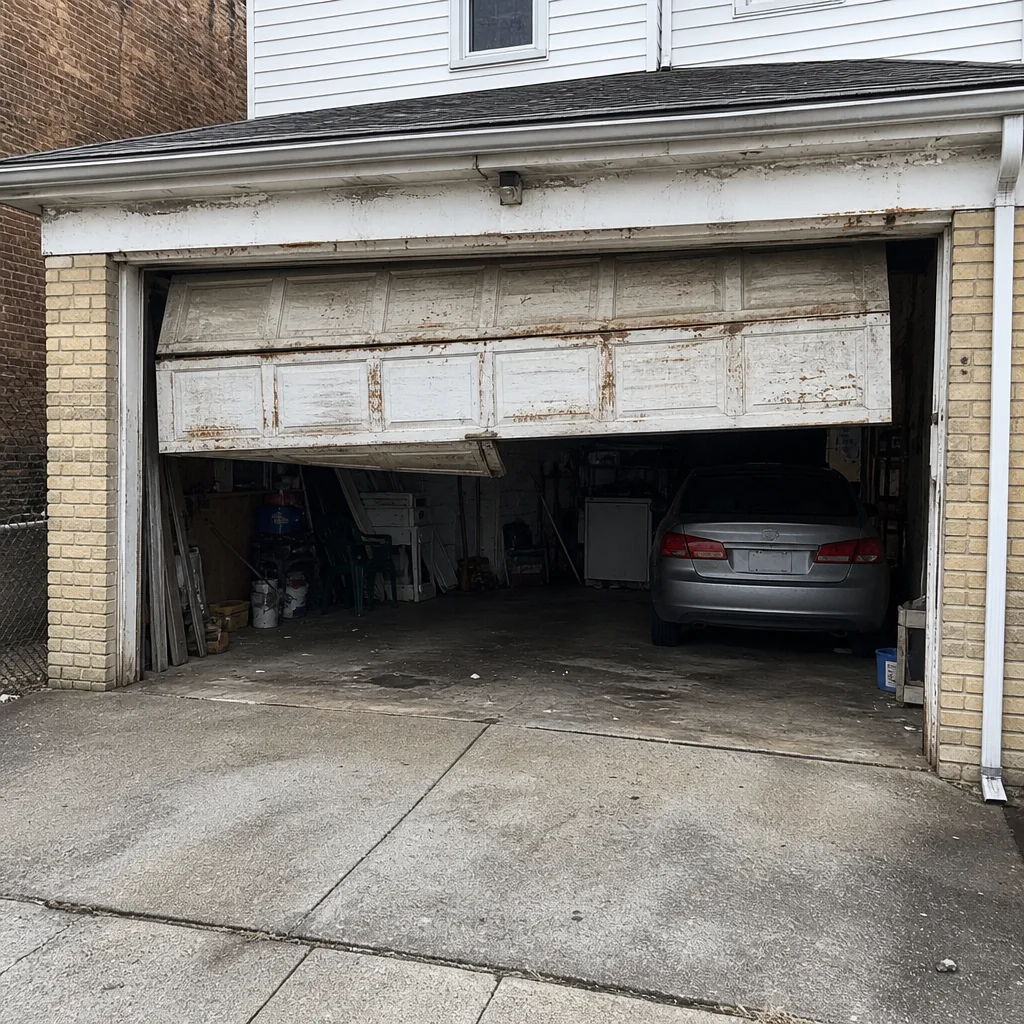 Before
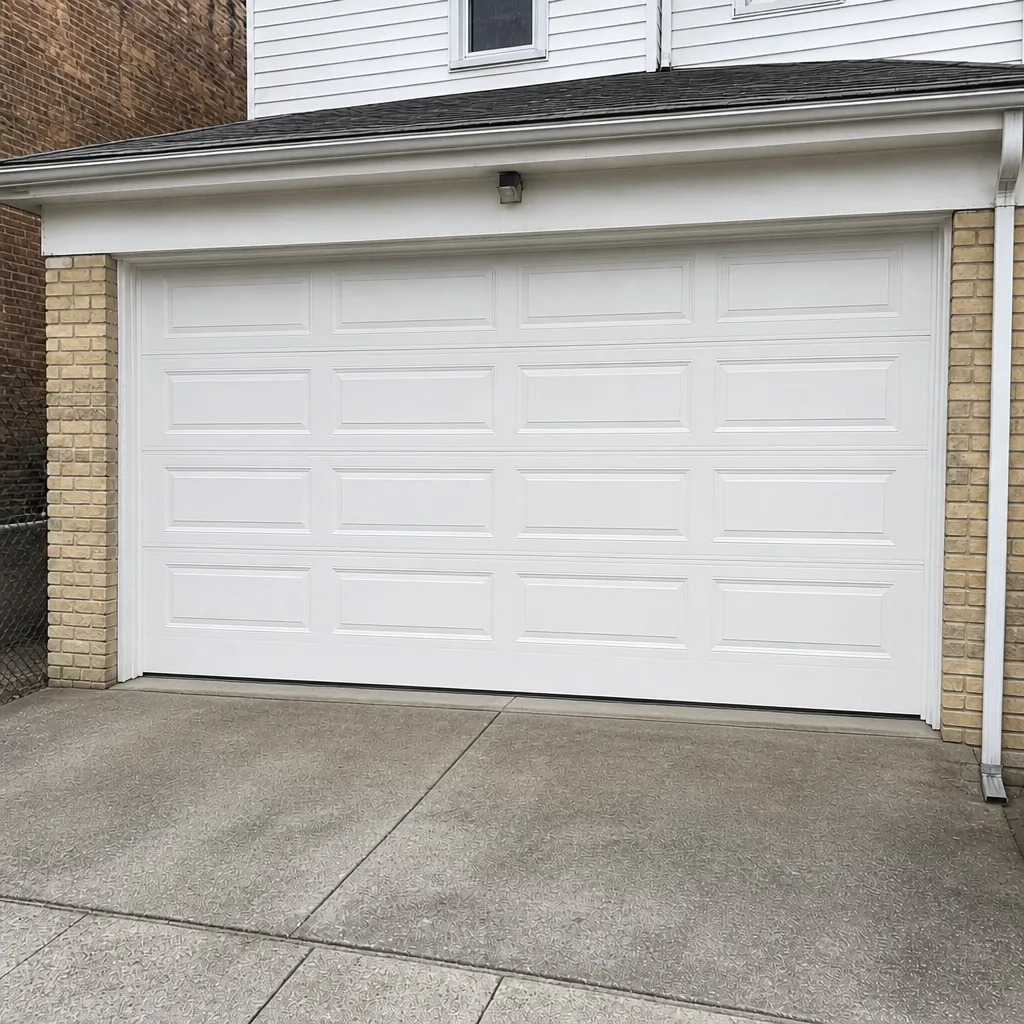 After
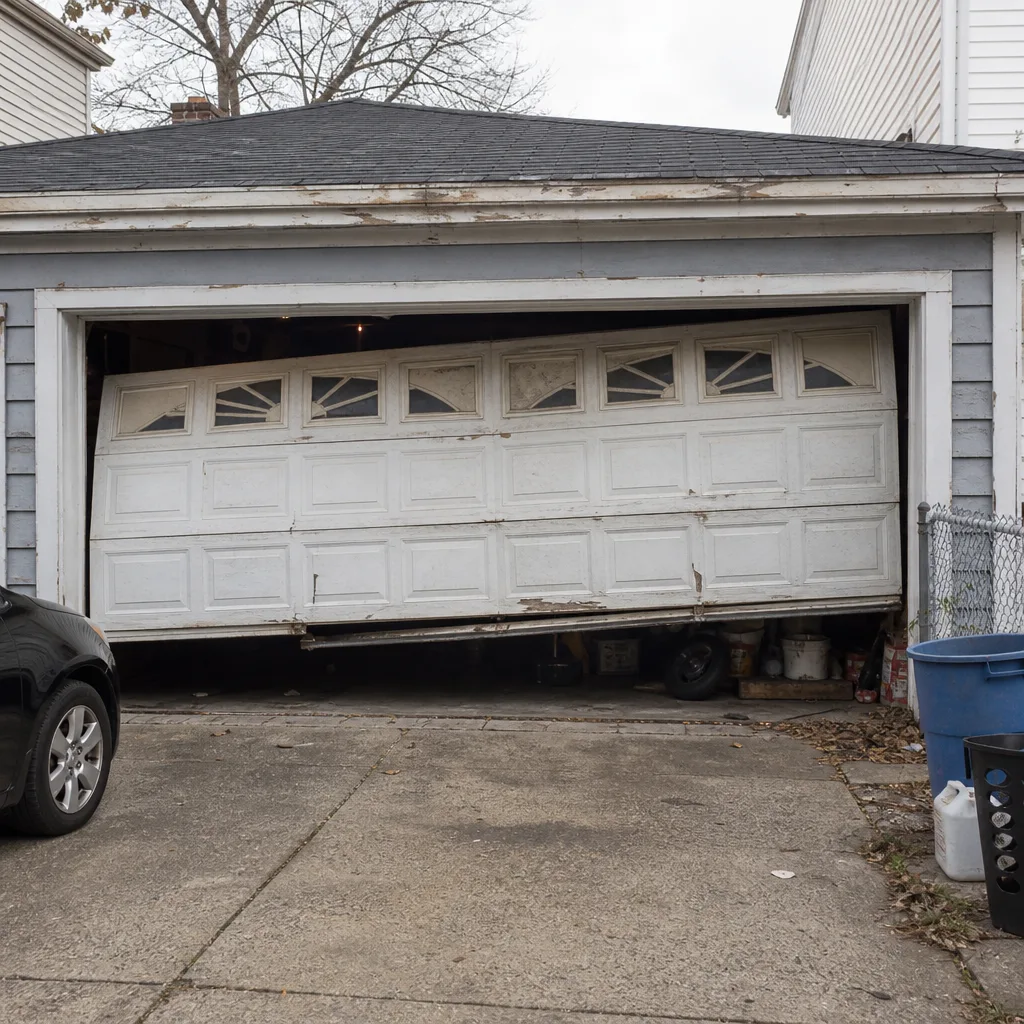 Before
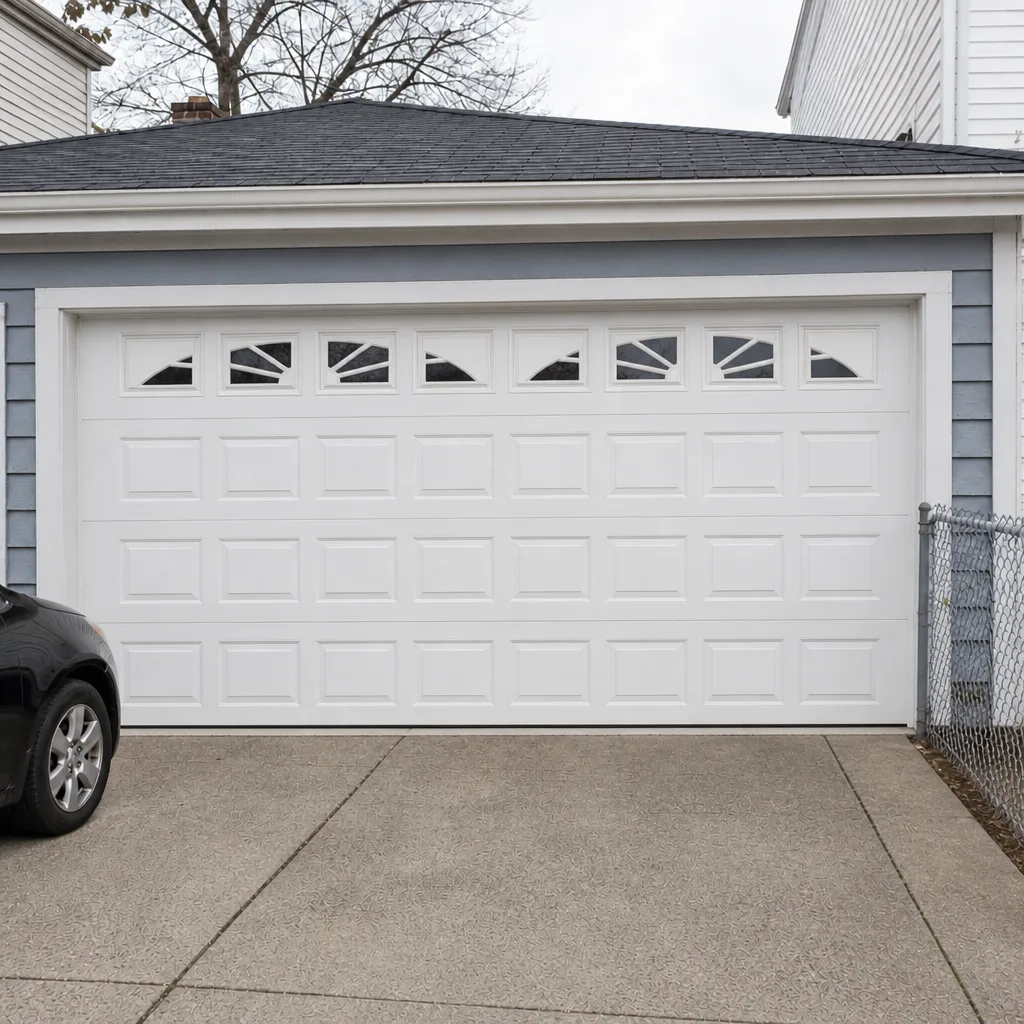 After
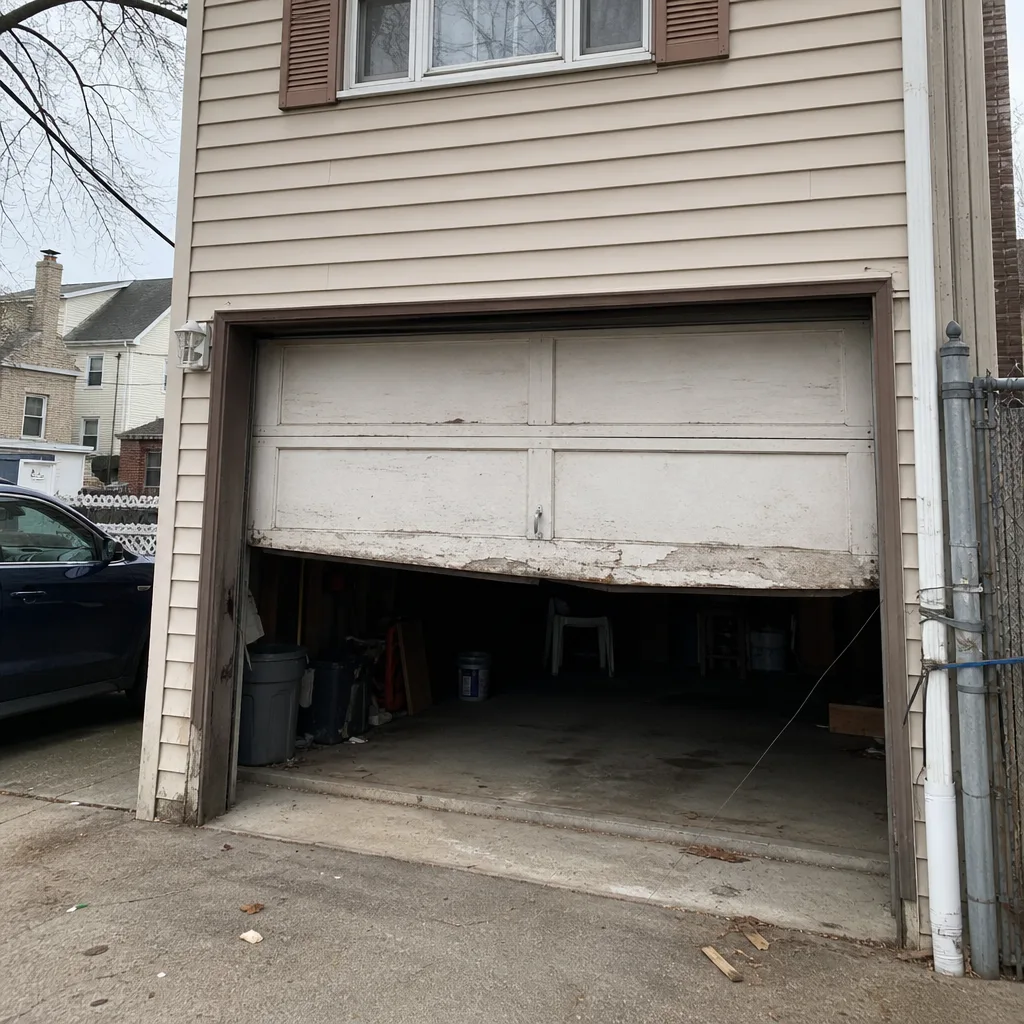 Before
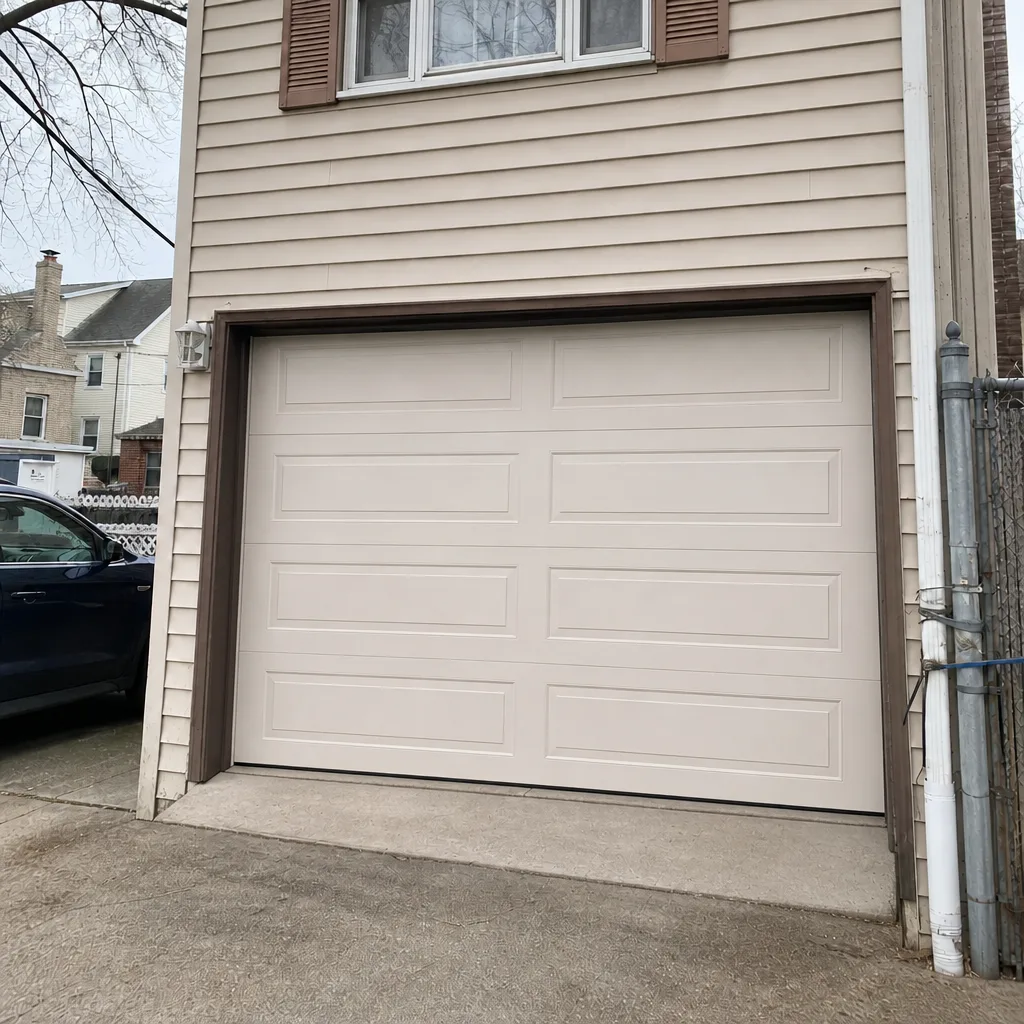 After